The library
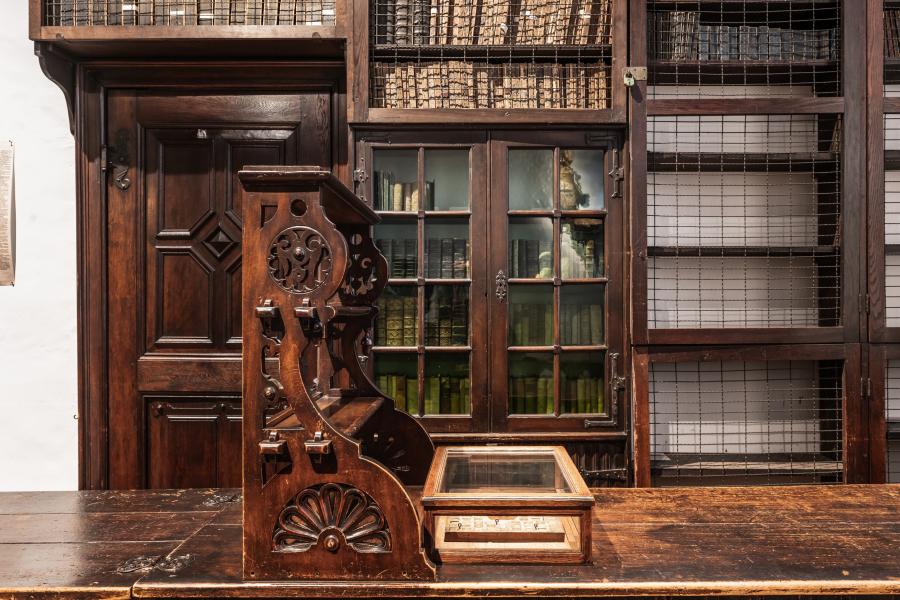
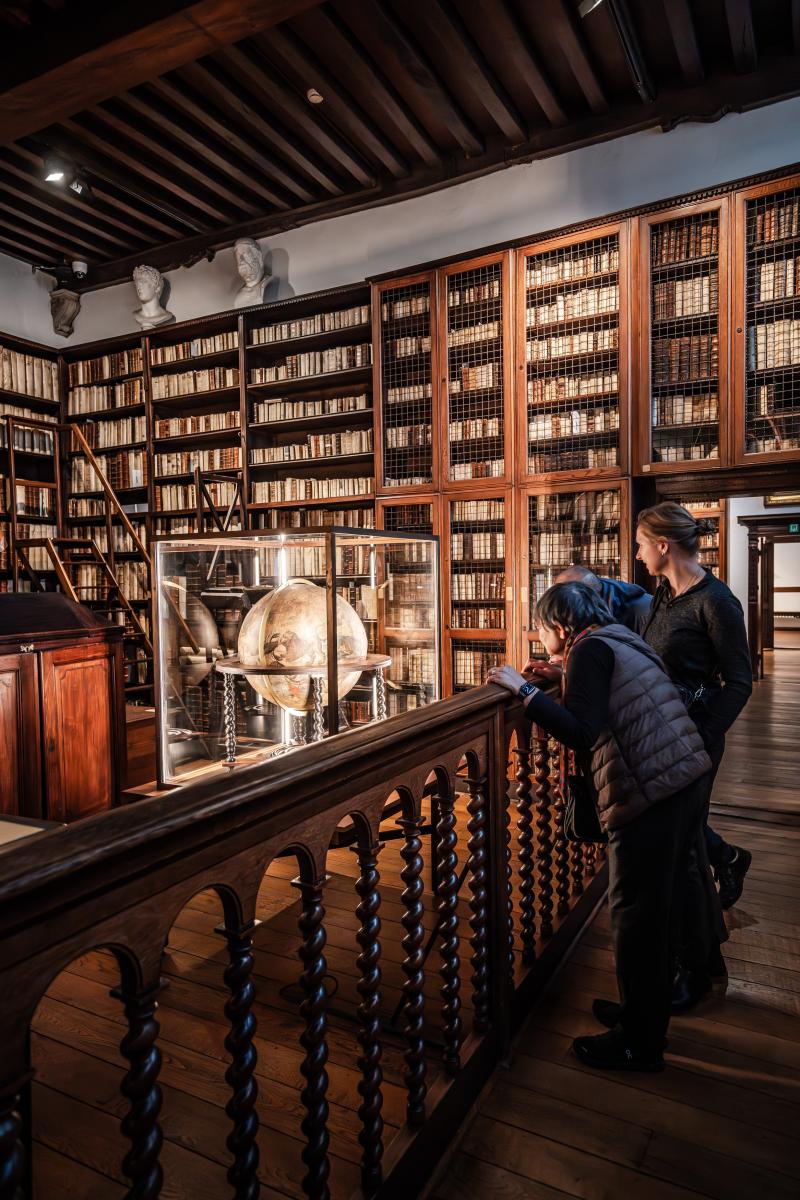
Respect for historical heritage, a love of books and almost five centuries of collecting in one space. Still a source of information for scientists and historians from all over the world.
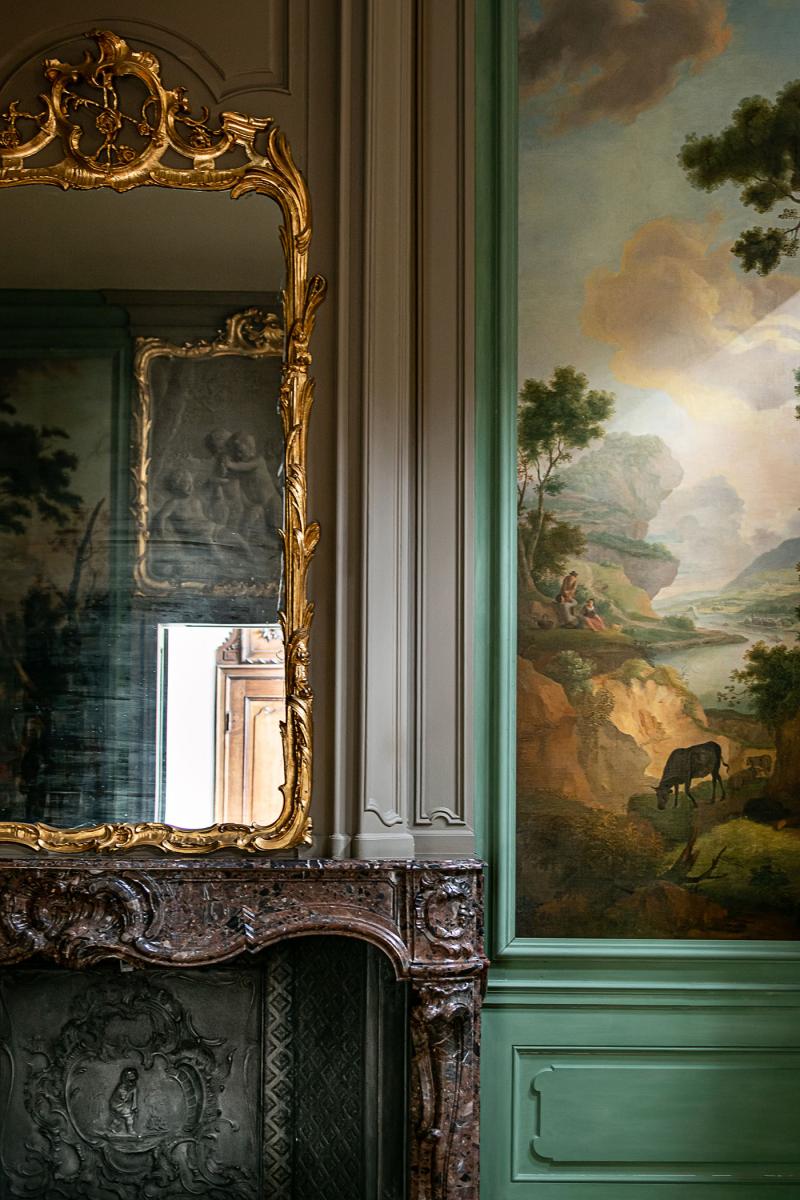
Gold and Rubens on the walls, with valuable furniture and objects in every corner of the room. Each generation of the wealthy entrepreneurial family added its own personality and a touch of grandeur. The moment you step into the residence, you feel it: centuries-old luxury with timeless class.
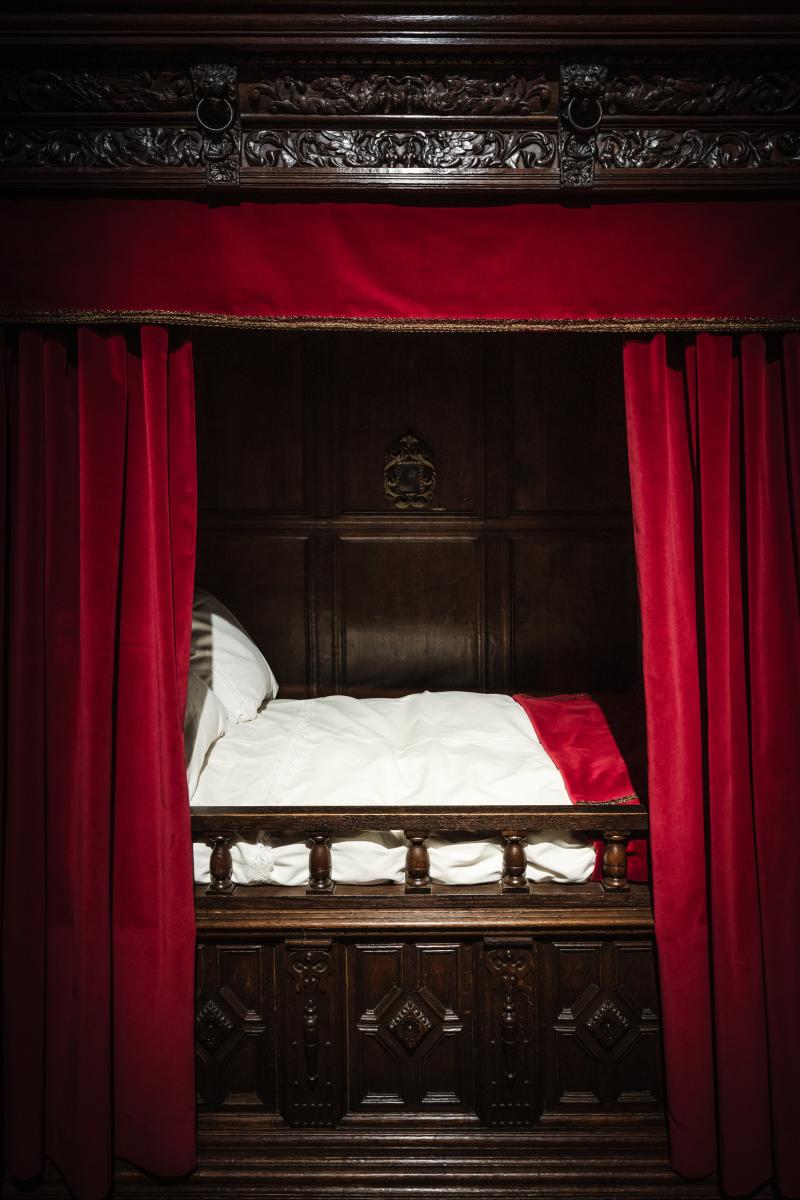
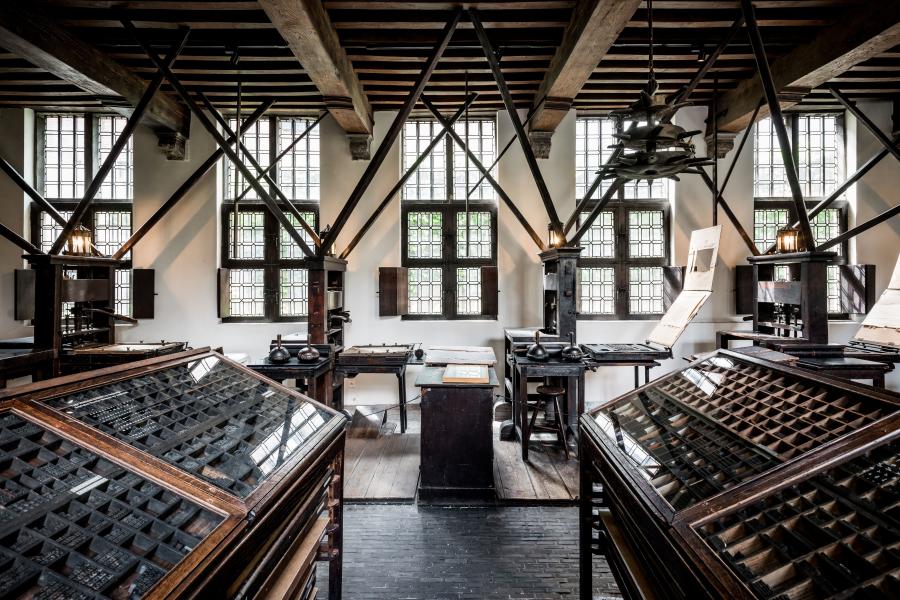
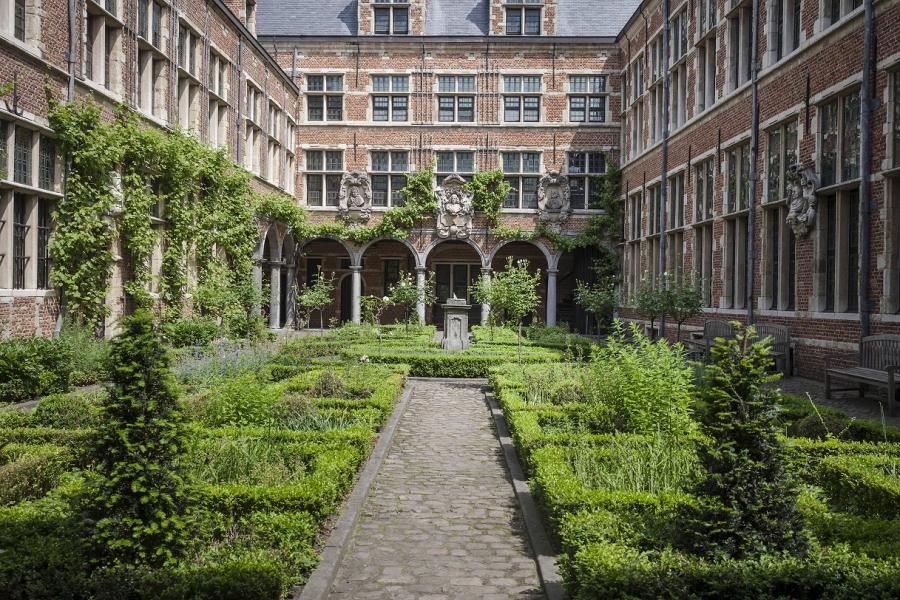
In 1576, Christophe Plantin found the ideal building to work and live in, located between the Hoogstraat and Vrijdagmarkt. Over the course of several generations, De Gulden Passer (the Golden Compass) evolved into a paragon of luxury: a city palace filled with pomp, splendour, and extraordinary artworks. The residents retired, but the grandeur remains visible in every room.
Can you feel it? This stately home, once full of life. Nine generations of Plantin-Moretus wined and dined here, playing with children, laughing with friends, and navigating family and business challenges. There’s no doubt that their entrepreneurial talent and hard work earned them a fortune – and still does. The walls speak the truth: decorated with Spanish gold leather, draped with Brussels tapestries, and adorned with family portraits painted by none other than Rubens himself, a childhood friend of the third printing descendant, Balthasar I Moretus. Step inside and discover the opulence of days gone by.
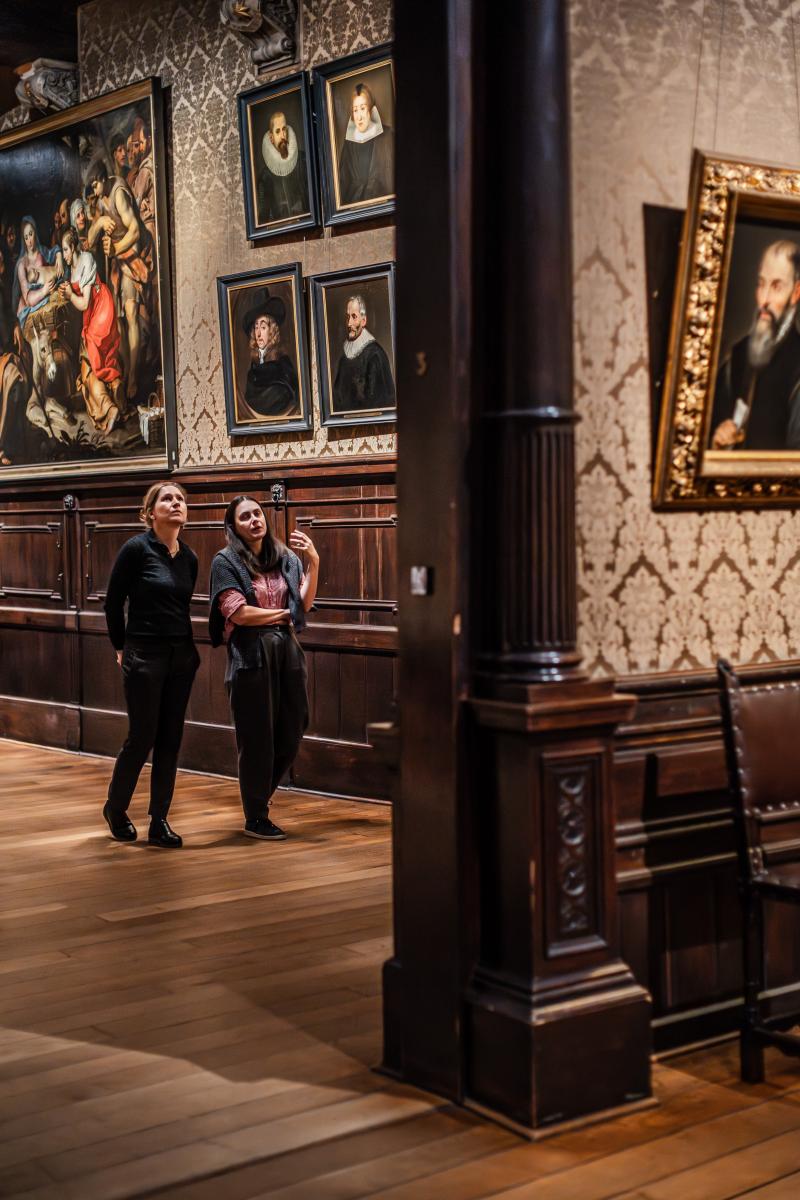
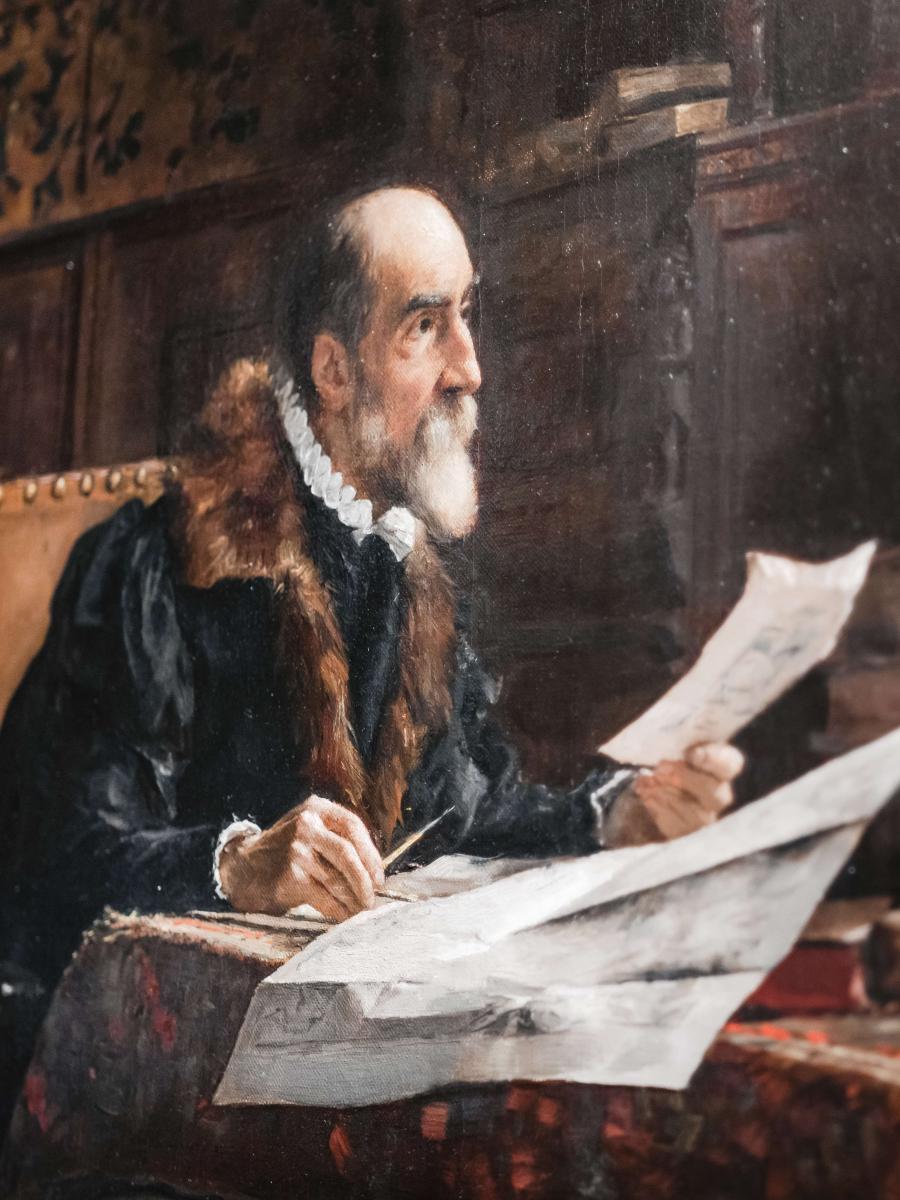
In the big drawing room, you’ll meet the first three generations of Plantins and Moretuses. Several portraits, such as Balthasar I, Christophe, and his wife, Jeanne Rivière, as well as Jan I and his wife, Martina Plantin, will greet you amiably. Keep an eye out for some notable names from within their social circle, such as atlas inventor Abraham Ortelius, editor Benedictus Arias Montanus, and city secretary Gaspar Gevartius.
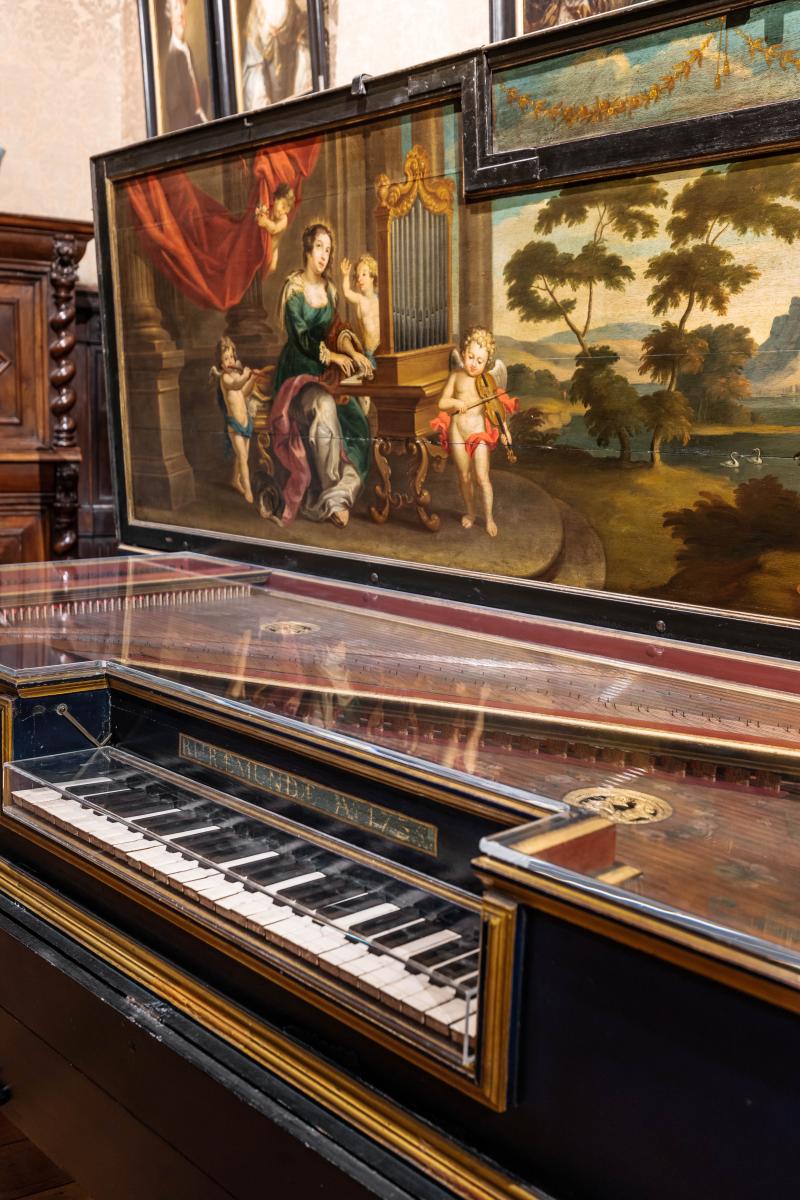
The furniture further emphasises the family’s wealth. The elegantly painted cabinet is full of drawers and hidden compartments – ideal hiding places for important paperwork and small, valuable objects such as jewellery, coins, and fabrics. The ebony cabinet features 23 biblical scenes painted by Hans Jordaens and rests on the sturdy shoulders of four sculpted figurines. Further in the room lies another historical gem: a double harpsichord, of which only a handful remain in the world.
Smaller than the main room, but in no way less grand – especially in terms of symbolism. It’s no coincidence that the painting above the fireplace depicts a hunting scene. The Moretuses were passionate about hunting, a pastime that complemented and enhanced their social status. After all, hunting requires strength, stamina, courage, and perseverance, and aren’t those the exact qualities that any successful entrepreneur should possess?
There are friends, and there are best friends. Writer and linguist Justus Lipsius (1547 – 1606) was such a welcome visitor in the Moretus household that they named their guest room after him. His portrait hangs above the fireplace. Lipsius often stayed and worked here during his many visits to the city palace. The portrait of the Roman philosopher Seneca keeps him company to the left of the fireplace, signed by another family friend: Peter Paul Rubens. Look closely, and you might recognise the grand master himself. Can you spot him?
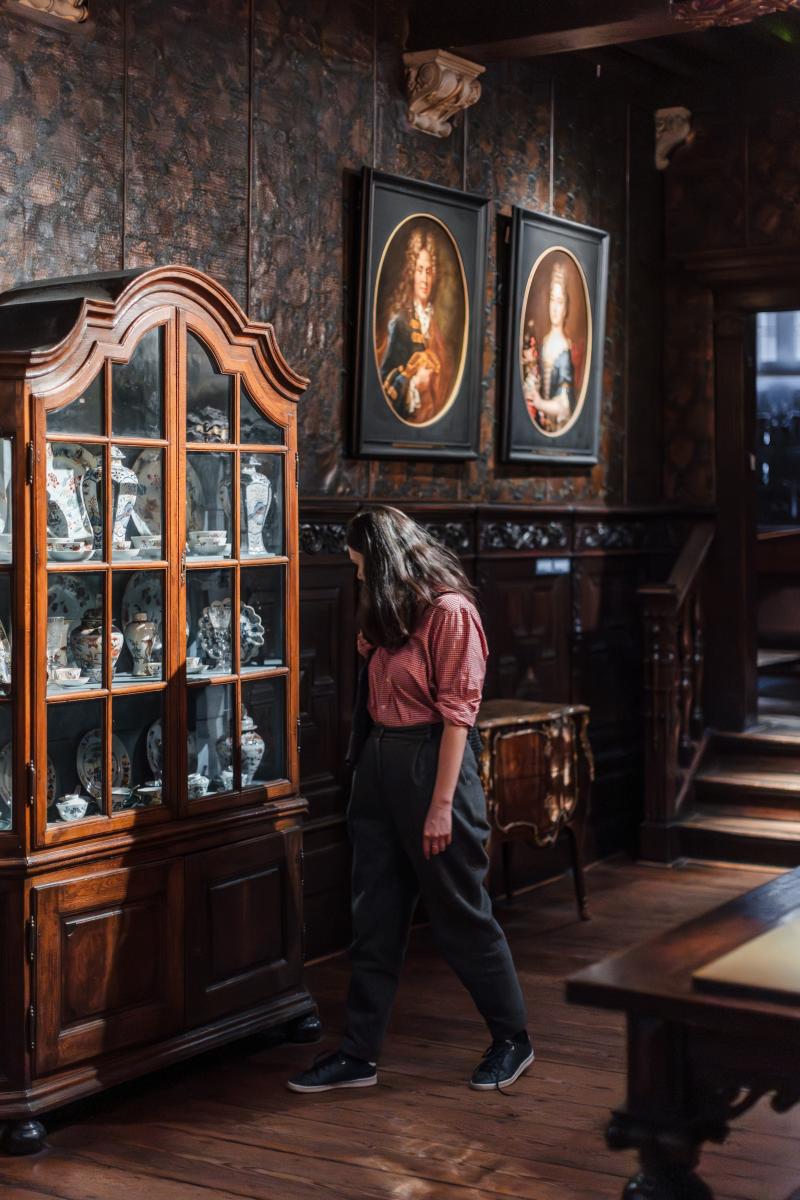
French gold leather hangings, an ornate cabinet featuring porcelain and crystal, a pendulum clock in the style of Louis XV, and once again, walls replete with multiple descendants: the 18th-century parlour is a tribute to the family’s later generations, such as the seventh, including Maria-Theresia Borrekens. Mother of thirteen children, she kept the family business up and running after the sudden death of her husband, François Jean Moretus. This established her as one of the leading ladies in the printing house’s rich history.
The 18th-century dining room is a feast for the eyes. Look up at the entrance as you step inside. That’s no marble – it’s a painting. Theodoor de Bruyn received 50 guilders for a “bas-relief above the door in this dining room, as agreed upon,” according to the contract. In exchange, he delivered a beautiful representation of Bacchus, the god of wine, letting a cherub play with a bunch of grapes. At the bottom right of this joyful scene, you’ll find a pumpkin and the artist’s monogram – the very same artist who painted the eagle on the stairwell ceiling.