Printing Materials
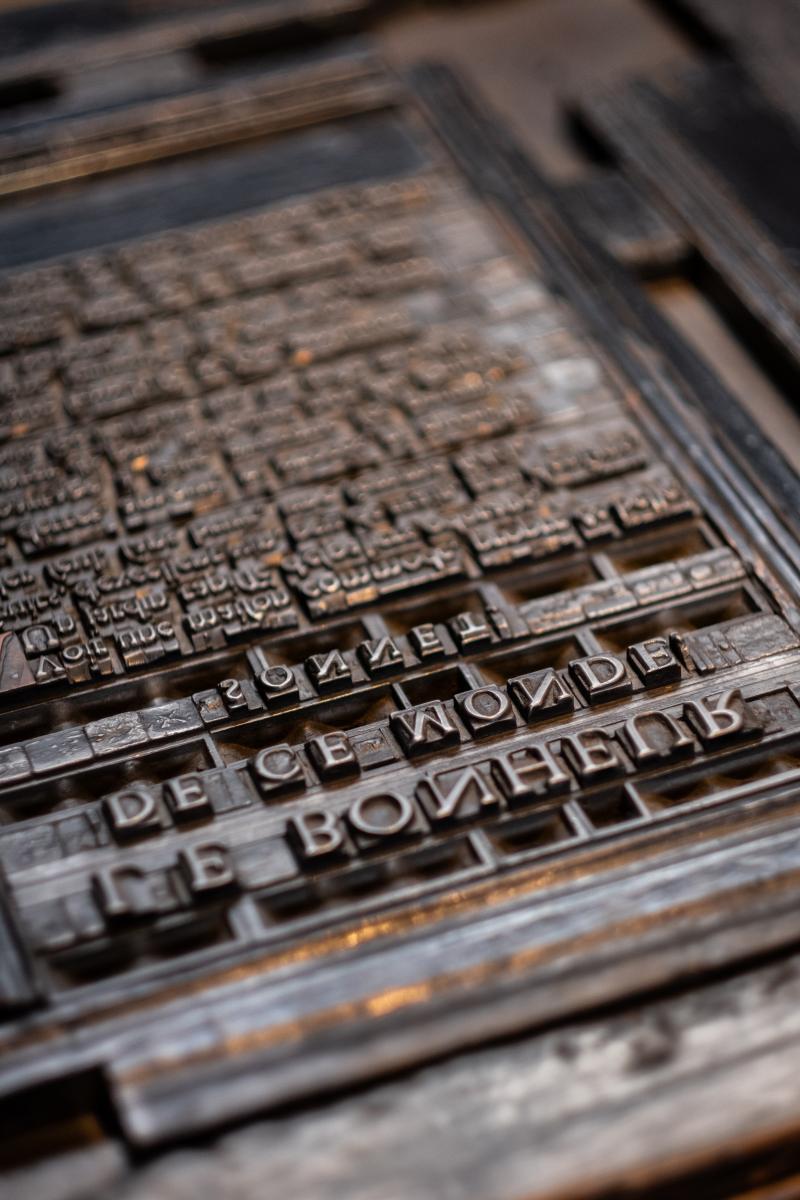
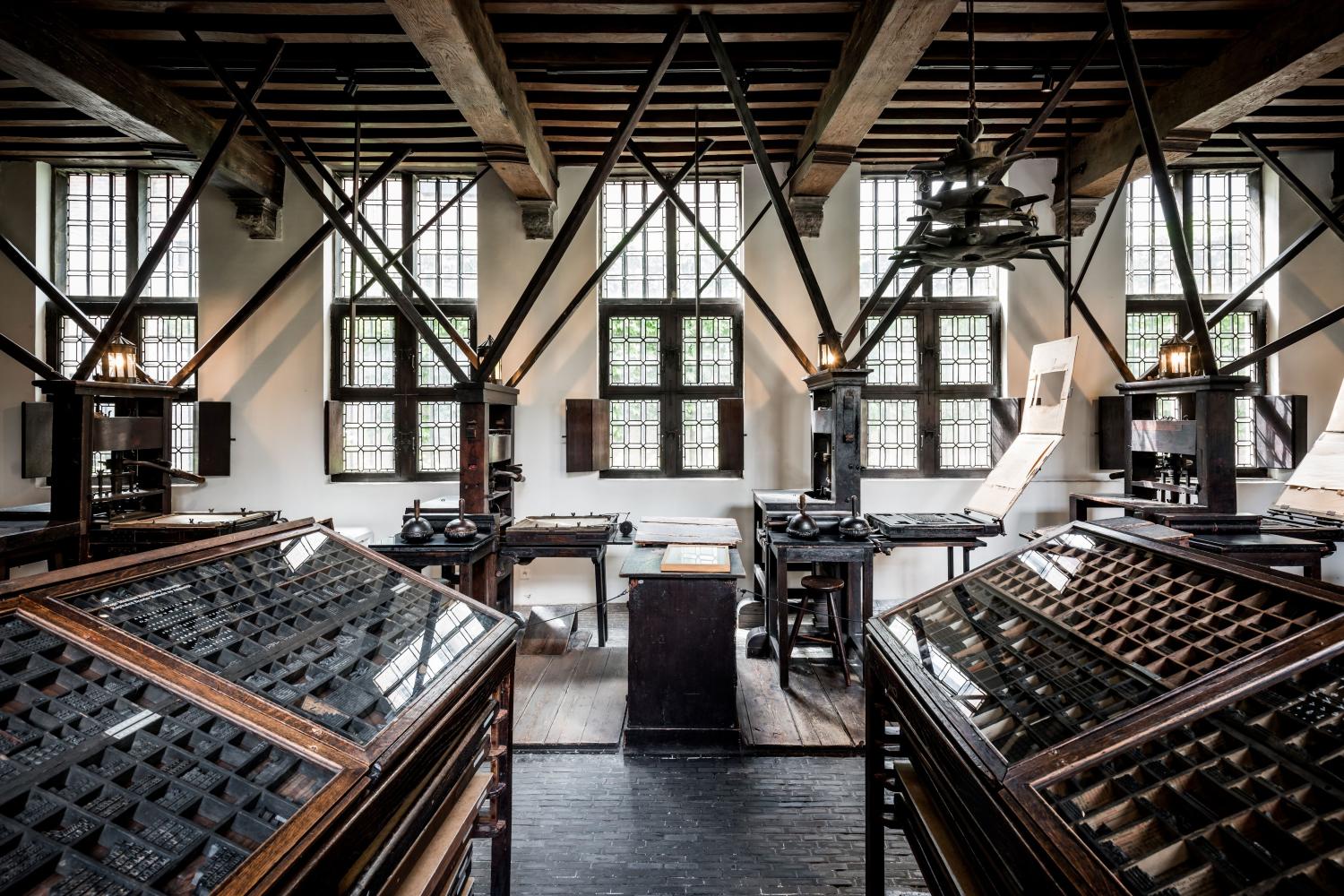
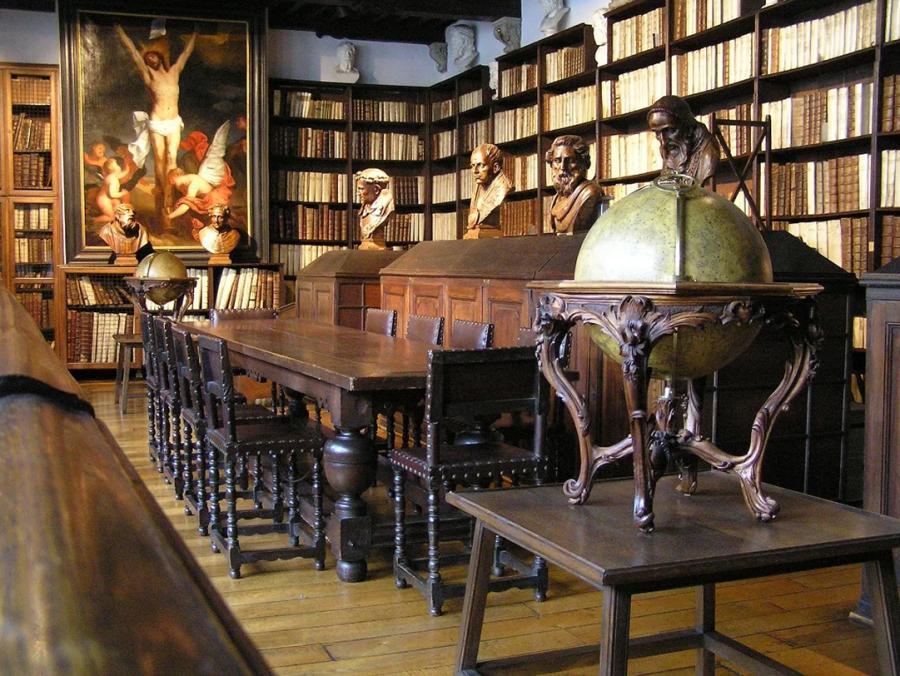
When the last printer closed the door on the Officina, it was still filled to the brim with hundreds of printing tools and materials – all proof of how intense the printing craft could be. This vast collection of lead letters, moulds, stamps, woodcuts, and copper engravings is a testament to the Plantin-Moretus family’s revolutionary approach to the craft. Since 1877, and after 300 years of intensive use, the collection serves as an indispensable time capsule for global printing history.
Lead Letters
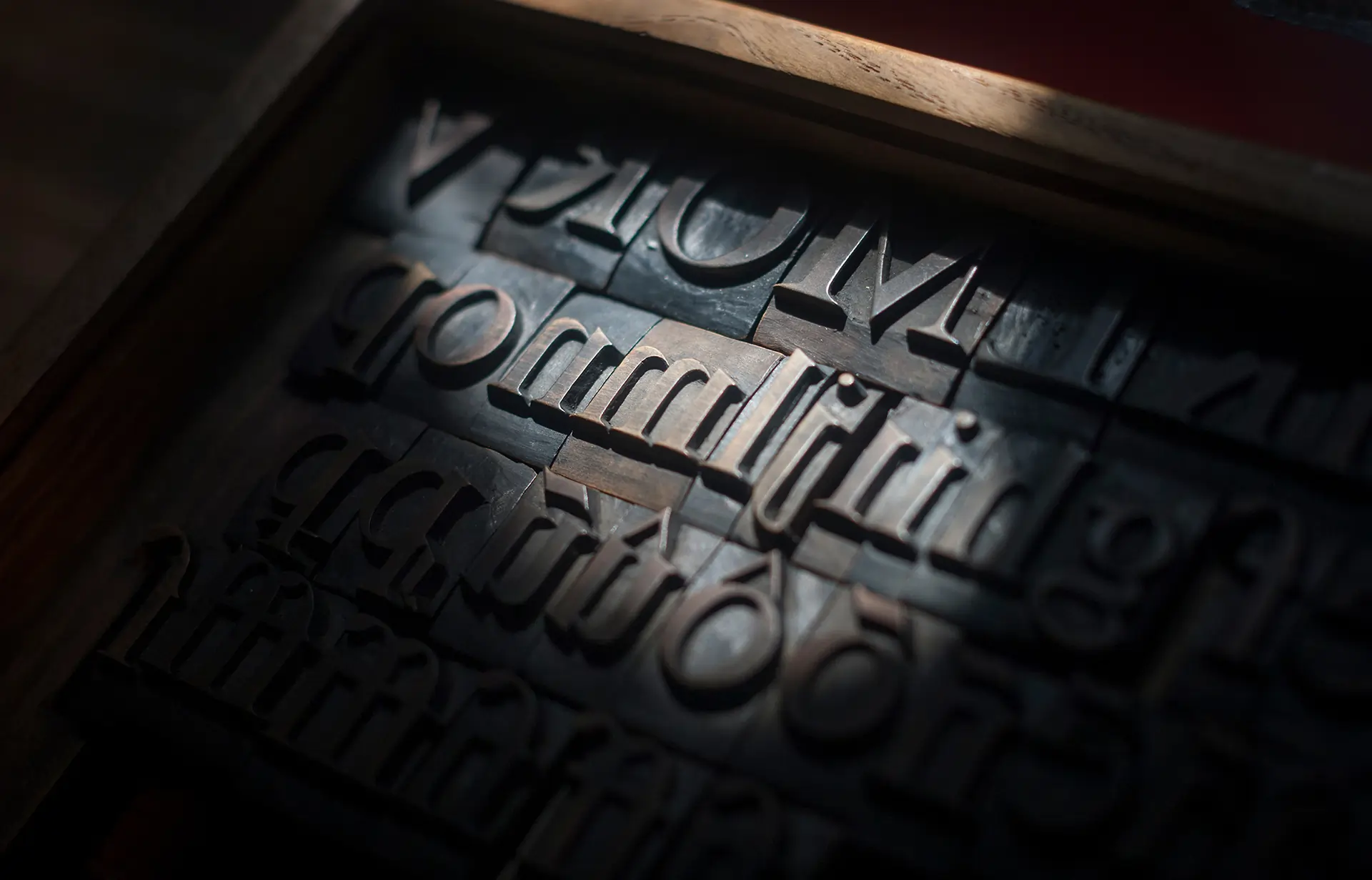
A wide array of fonts was available at the printing office. Plantin took pride in offering the latest typefaces, keeping close track of when they appeared on the market. This wasn’t just for the standard Dutch, French, and Latin publications, but also for Greek, Spanish, Hebrew, German, Italian, Old Syrian, and Aramaic publications.
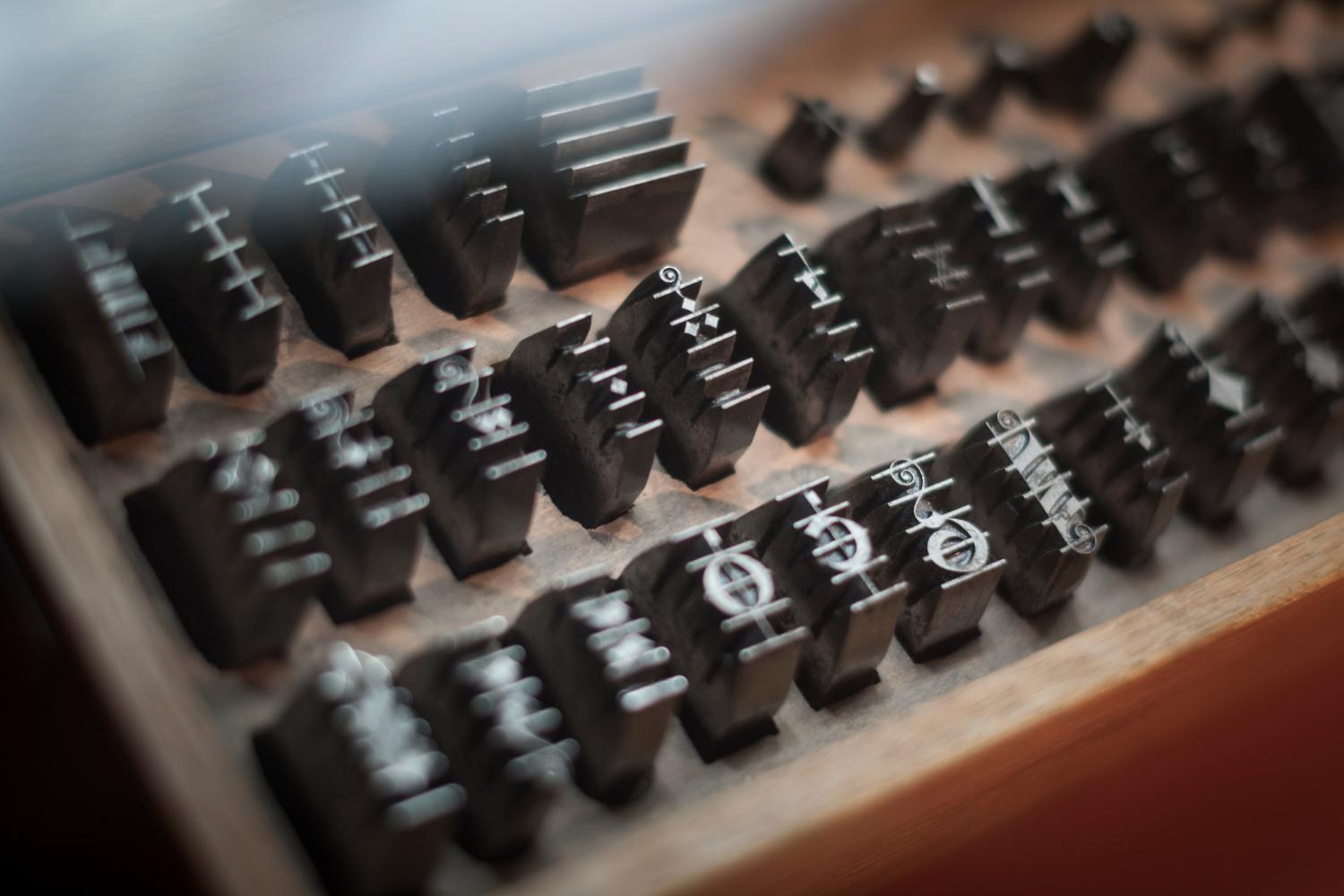
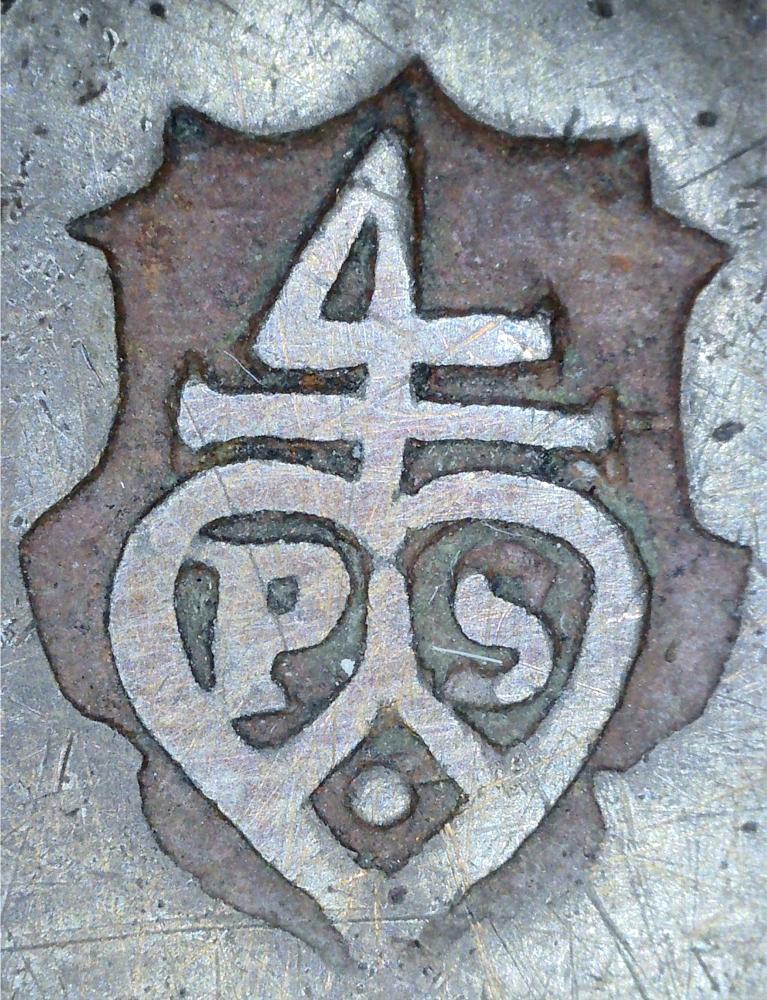
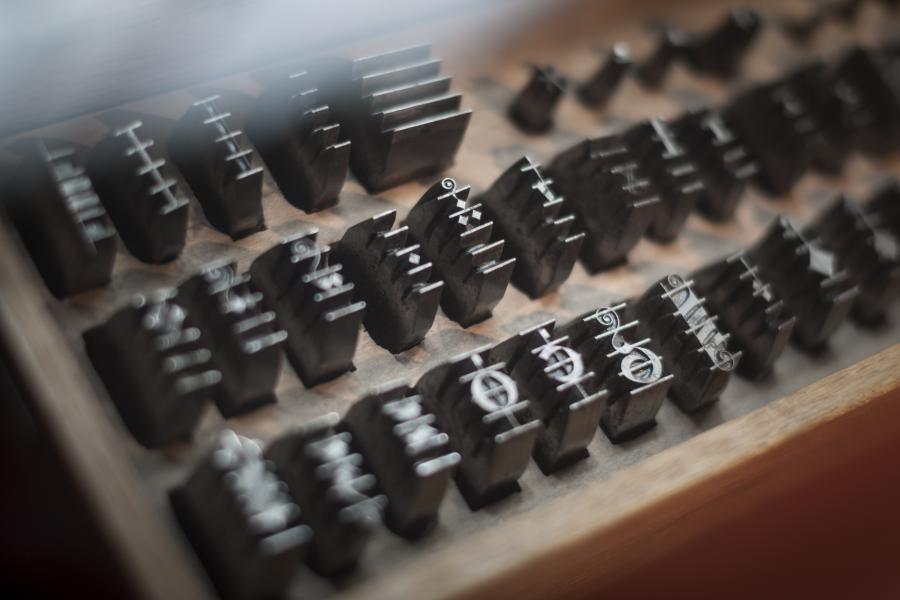
Claude Garamond, Guillaume Le Bé, Robert Granjon, Ameet Tavernier, and Hendrik van den Keere, to name a few: Plantin collaborated with some of the most renowned French and Southern Dutch punchcutters to guarantee the highest quality. They cut each letter by hand and in mirror image, from a steel rod. This created a stamp, which they then struck into a mould. After placing this in a casting bottle, they spooned molten lead into it. Once cooled, the letter was ready for use. From 1622 onwards, the Plantin printing house employed its own master punchcutter.
Typesetting, Inking and Printing
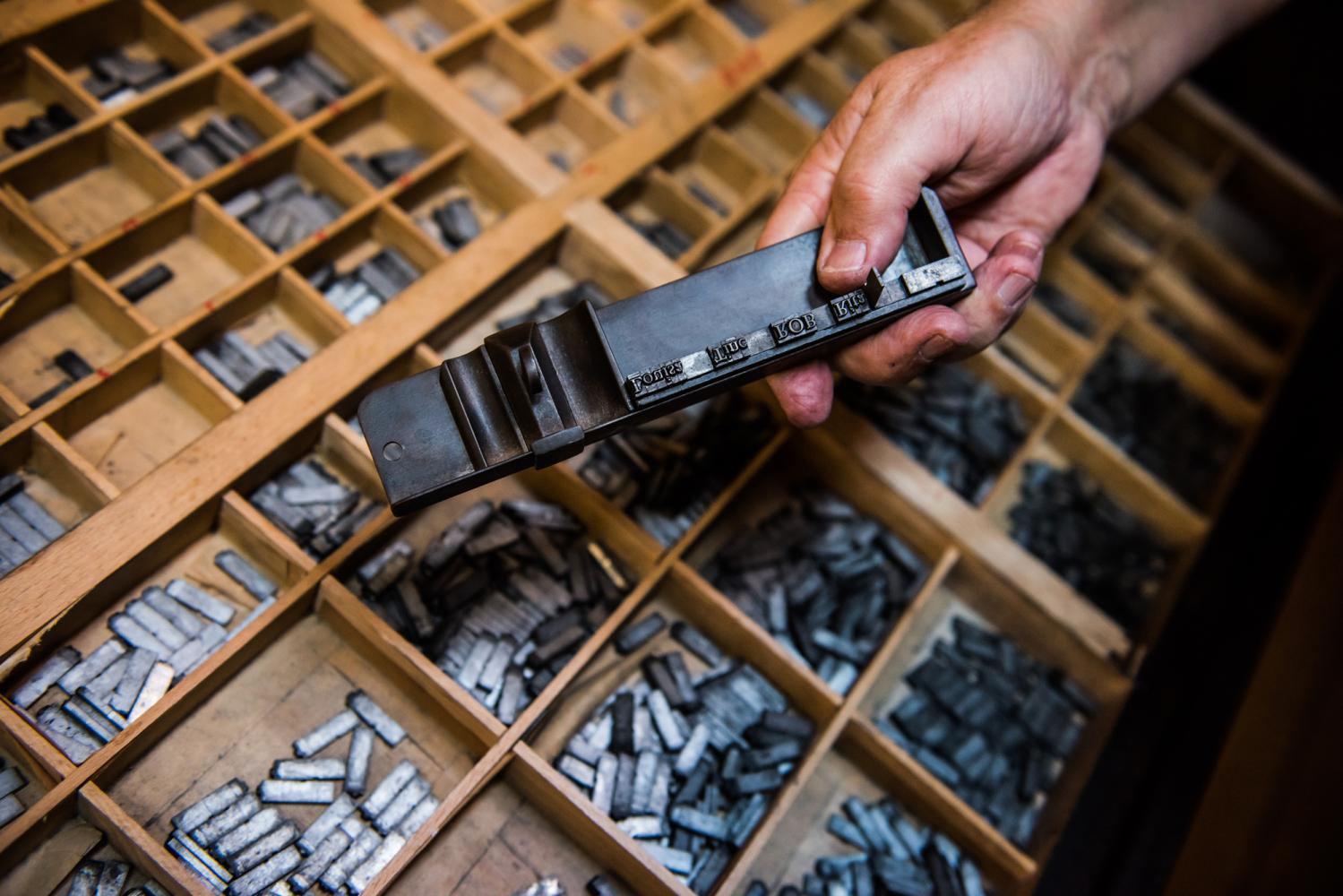
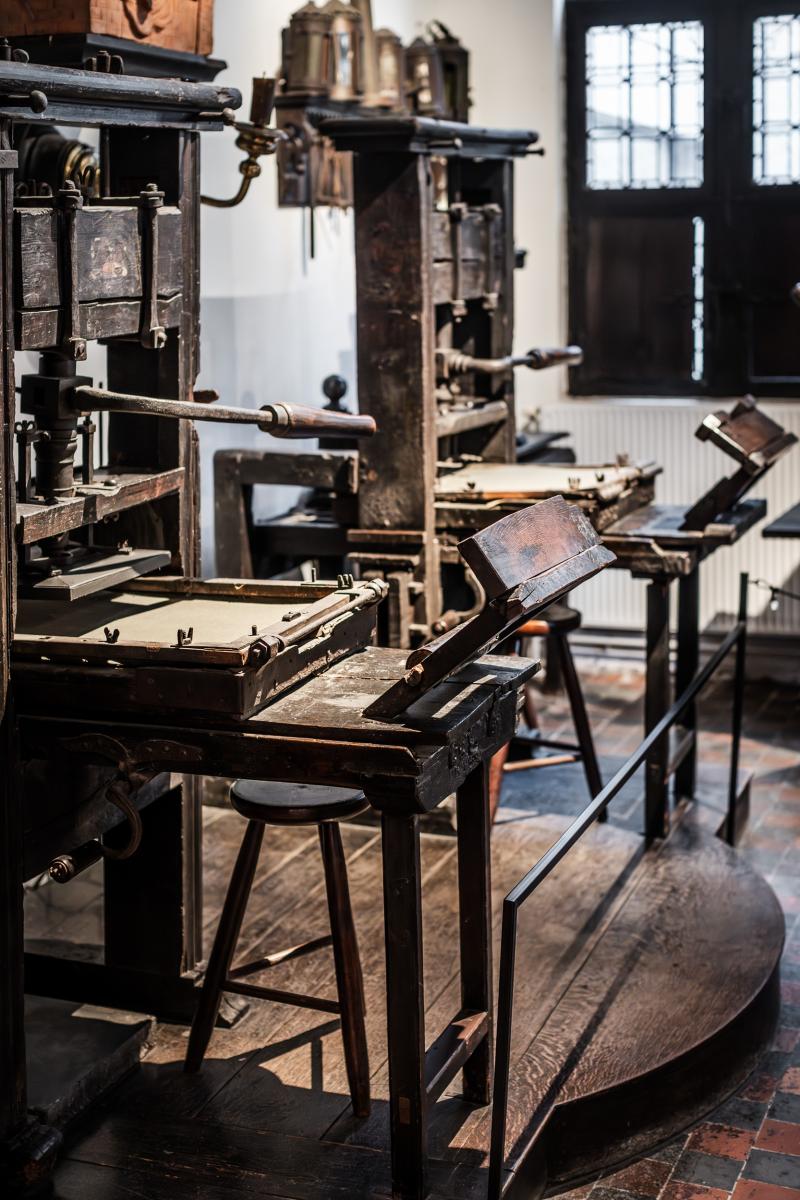
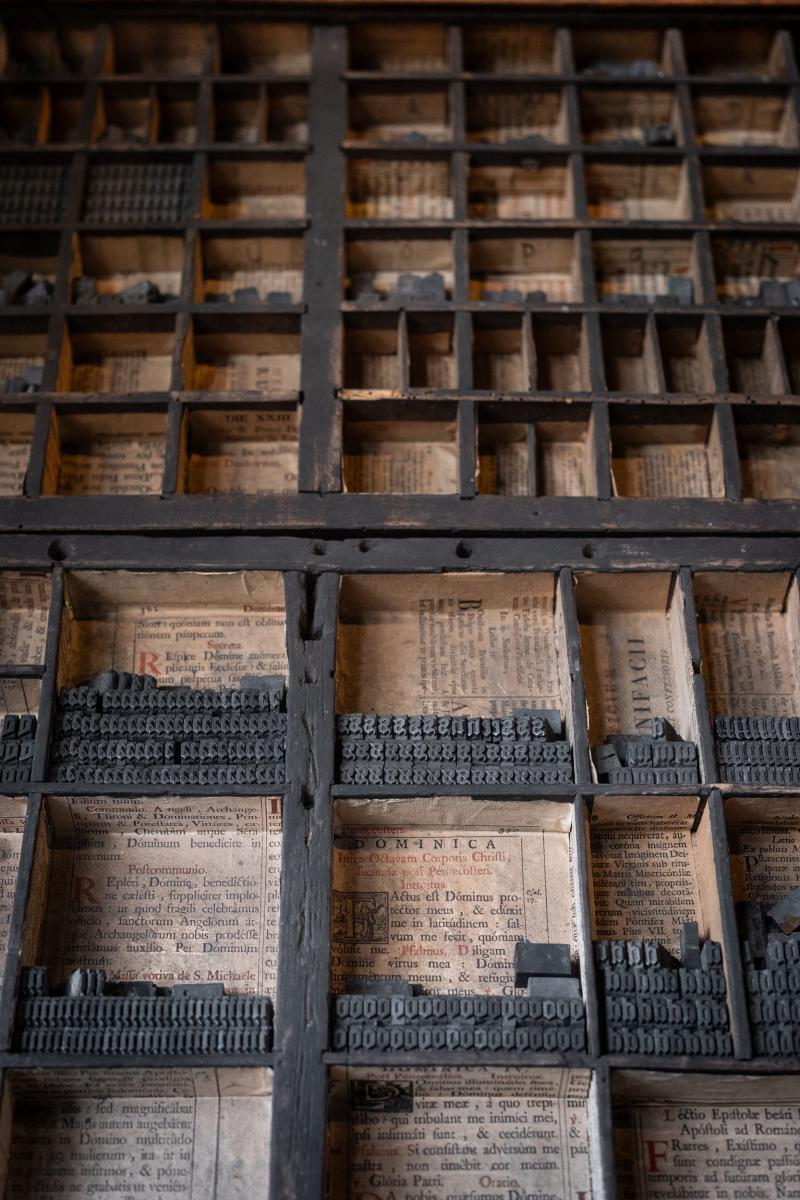
A myriad of lead letters remain neatly stored in large cabinets and storage bins, silent witnesses to when printing was still a true handicraft. Skilled workers expertly dotted the i’s and crossed the t’s with the help of composing sticks, galleys, ink pads, and, of course, the printing presses themselves.
The typesetters took the first turn. With a steady hand, they carefully selected each letter from the cabinet, placing them upside down and in the correct order on the composing stick. They then tied each new line to a wooden galley. These were grouped together and set on a mould on the press. Once the letters were inked with inking balls, the printer set the press in motion. Words literally came hot off the presses.
Wood Blocks
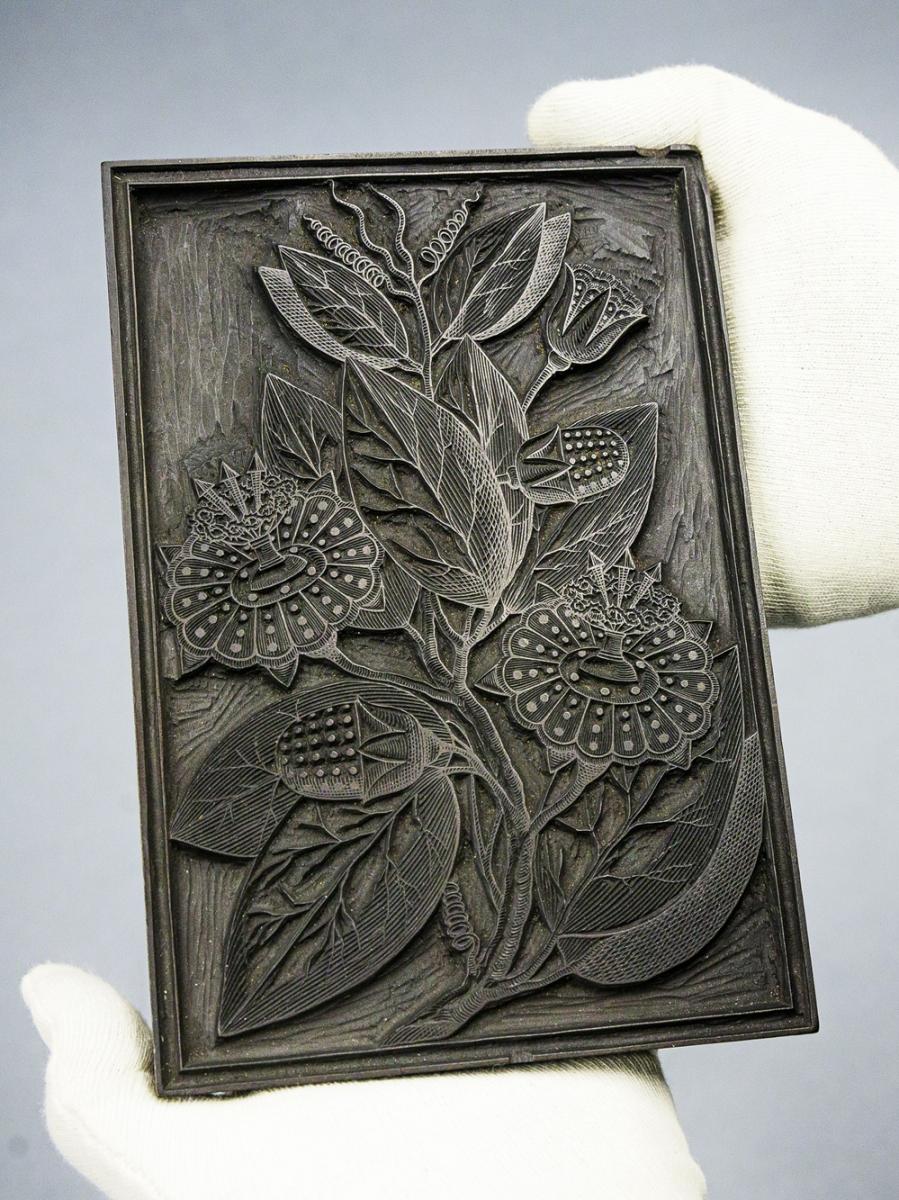
Can you smell that? That special scent of ink mixed with wood dust, originating from more than 14,000 wood blocks. All carefully carved, blackened around the edges, and traces of use all over. In Plantin’s printing office, they brought books to life with illustrations of plants, symbols, saints, and decorative frames. They appeared on paper, next to the text, in one fluid printing movement.
The botanical blocks are particularly eye-catching: 4,000 detailed images of plants, specially made for the works of Dodoens, Clusius, and Lobelius. The collection also includes religious representations, mathematical diagrams, emblems, initials, and embellishments. Did you know that the museum also owns 1,600 blocks created by modern artists? You’ll find them in our Print Cabinet.
Copper Plates
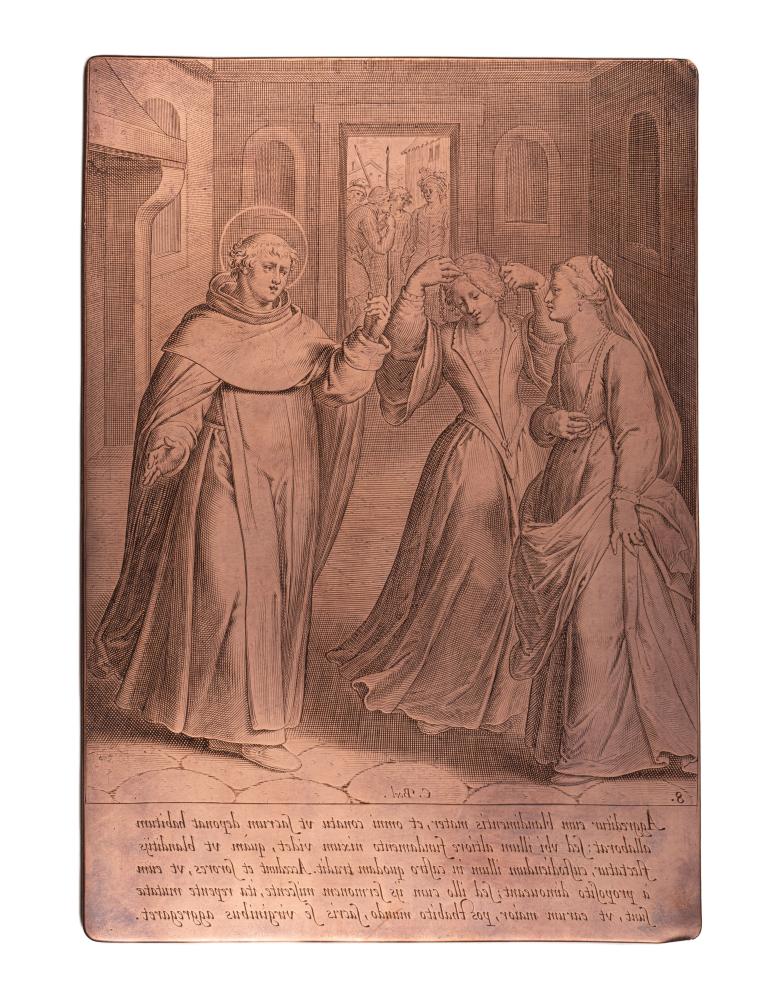
Plantin had a knack for uncovering and implementing new technologies. Long before photography existed, he sought ways to reproduce highly detailed images in his printed works. This led to the technique of using copper plates: finely engraved lines in the metal retain ink, allowing for beautifully sharp illustrations on paper.
More than 6,000 copper plates are stored at the museum. Around half were used in publications at the Plantin printing house, while the rest tell the stories of artists through the centuries, collected in the Print Cabinet. Together, they symbolise innovation, craftsmanship, and artistic ingenuity.
Highlights
Contact the curator
Who is responsible for all the printing tools and materials?