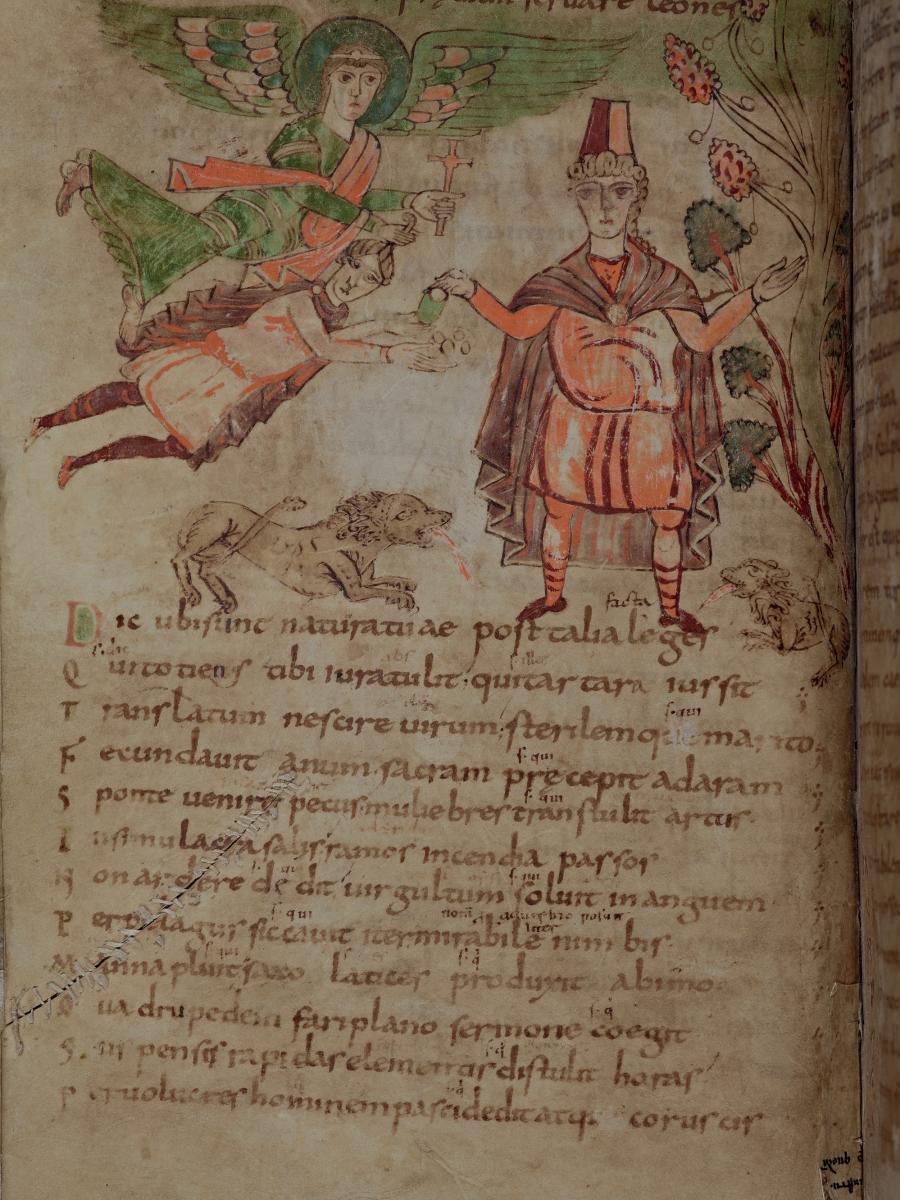
Carmen Paschale by Sedulius (860 AD)
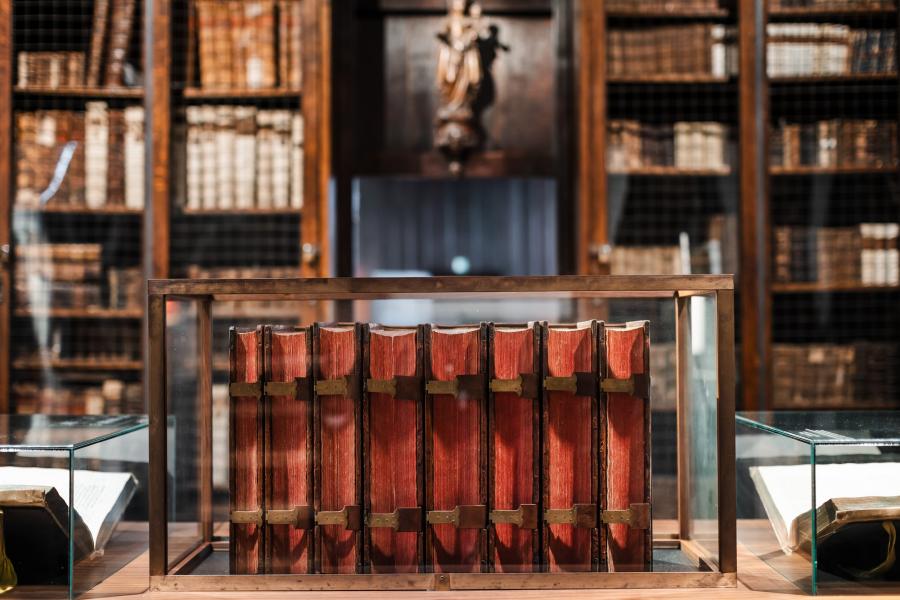
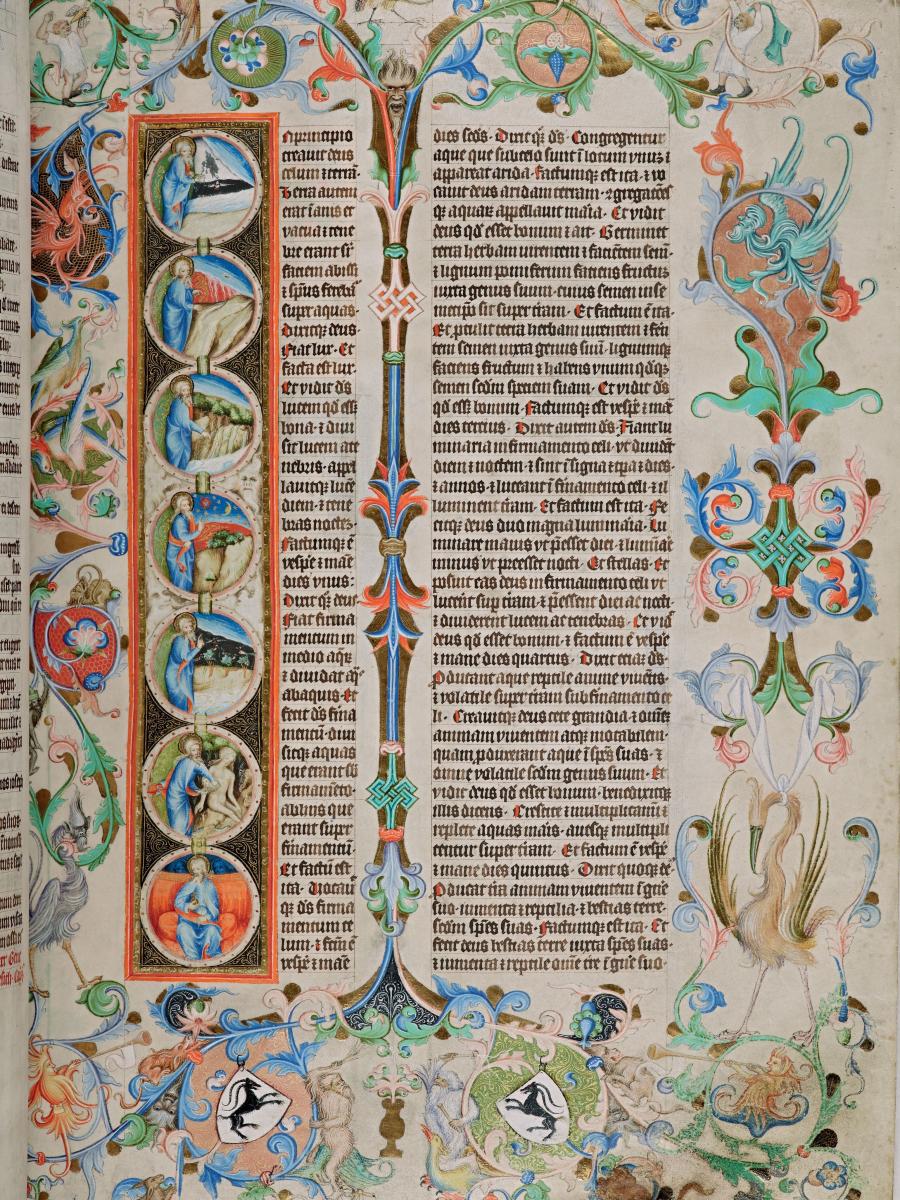
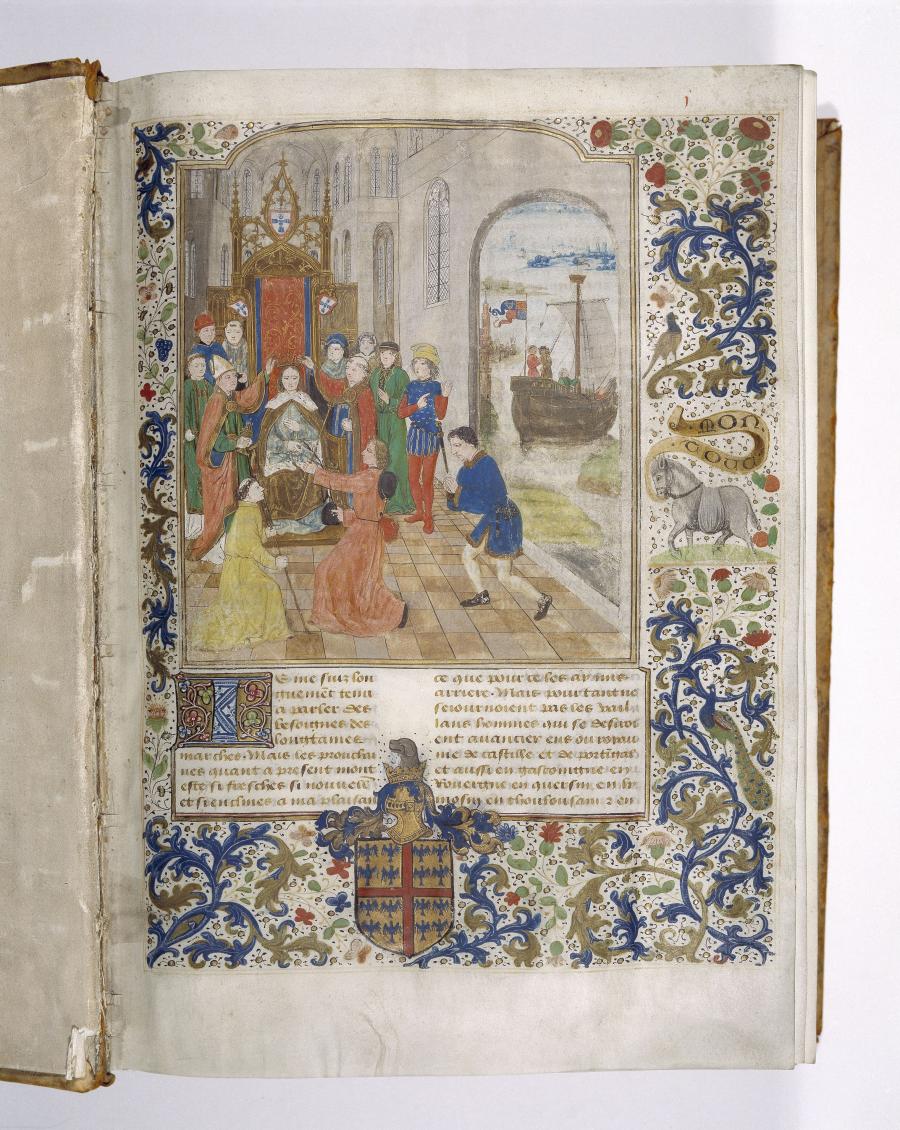
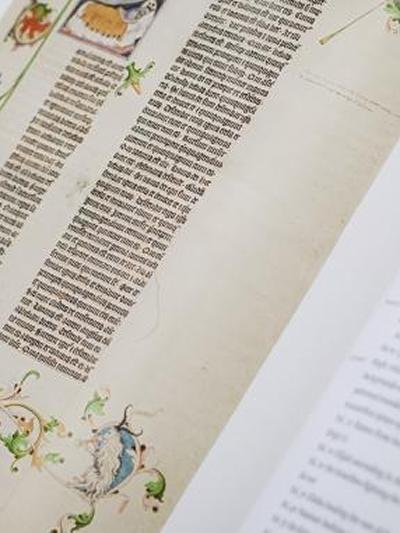
The oldest manuscript in the Museum Plantin-Moretus is a 9th-century gem by the author Caulius Sedulius. This manuscript was created in around 860 in a Liège scriptorium. Christophe Plantin inherited it in 1581.
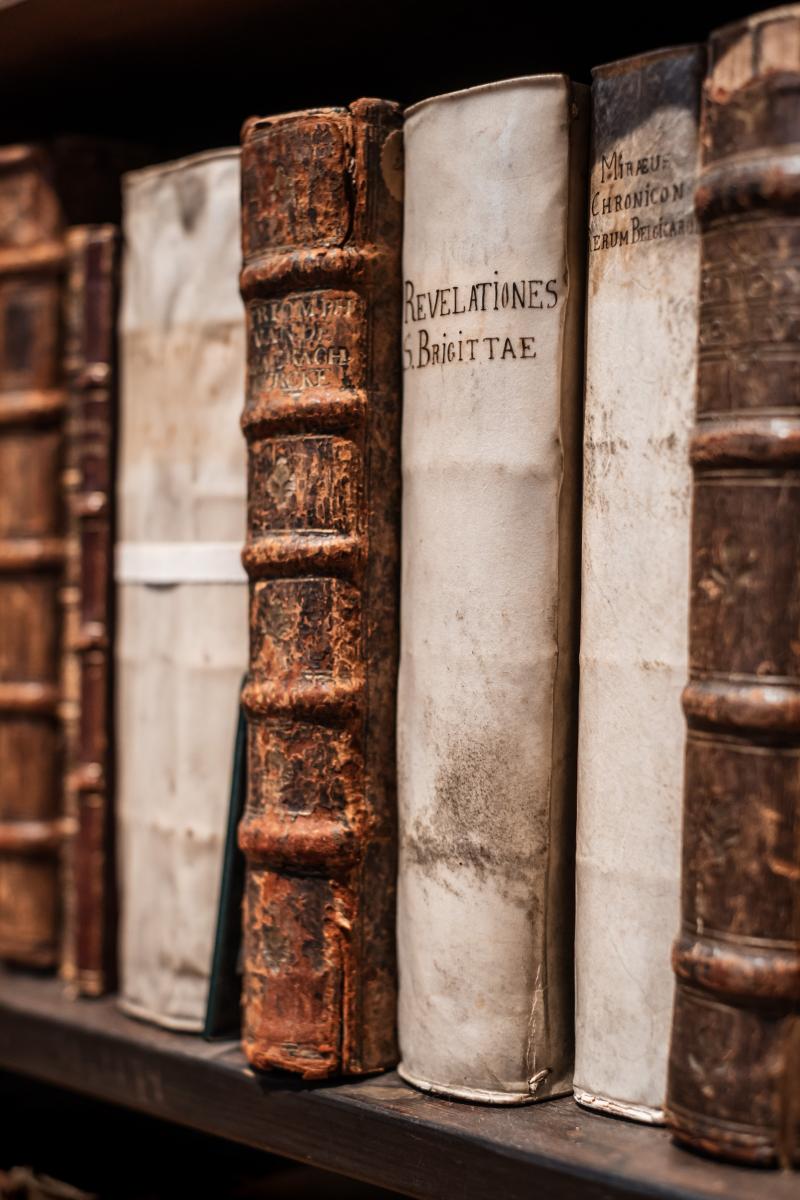
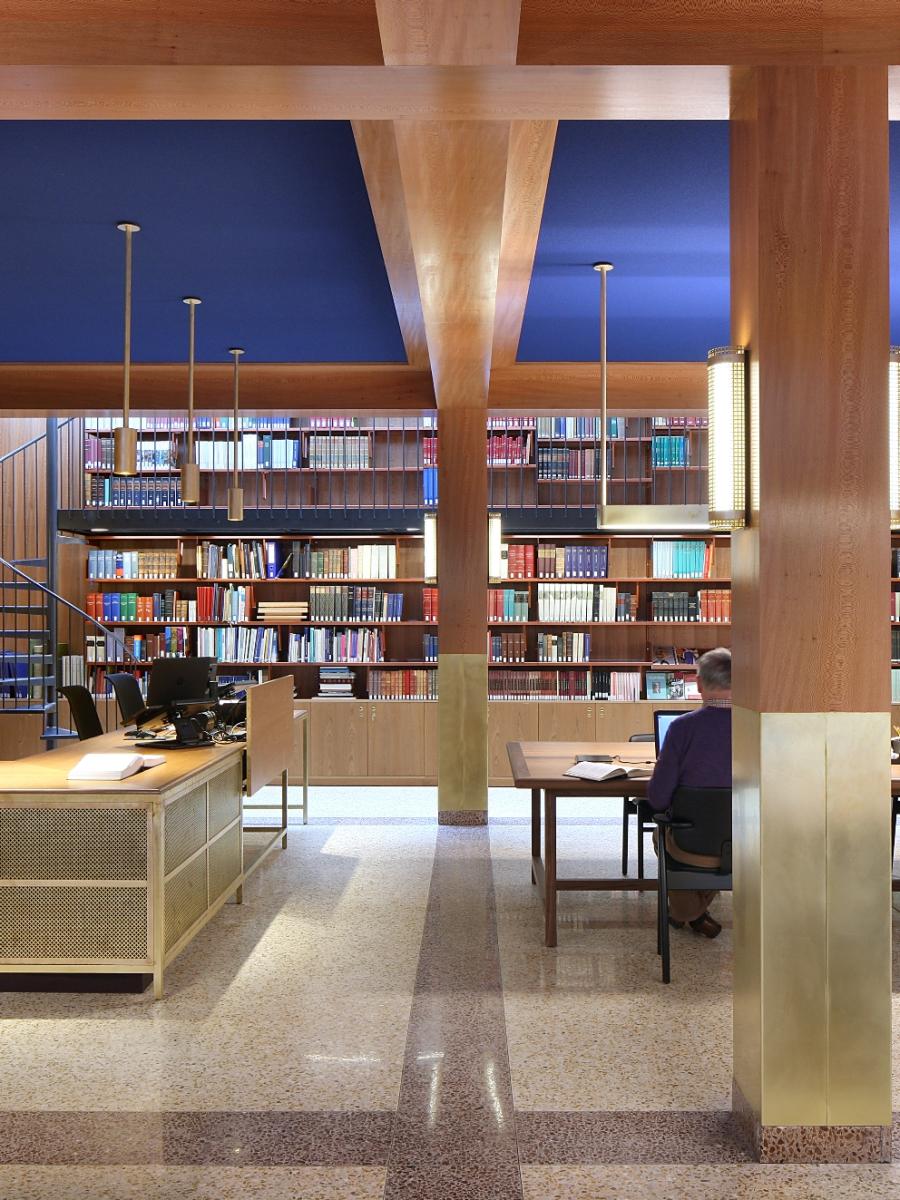
Through whose hands have these books all passed? Allow these centuries-old books to speak to your imagination. The oldest manuscript, owned by no other than Plantin himself, dates from around 860. What originally started as Plantin’s reference library for proofreaders evolved into a diverse collection comprising almost 40,000 printed works, 69,000 single-sheet prints, approximately 650 manuscripts, and more than 15,000 titles of specialist publications.
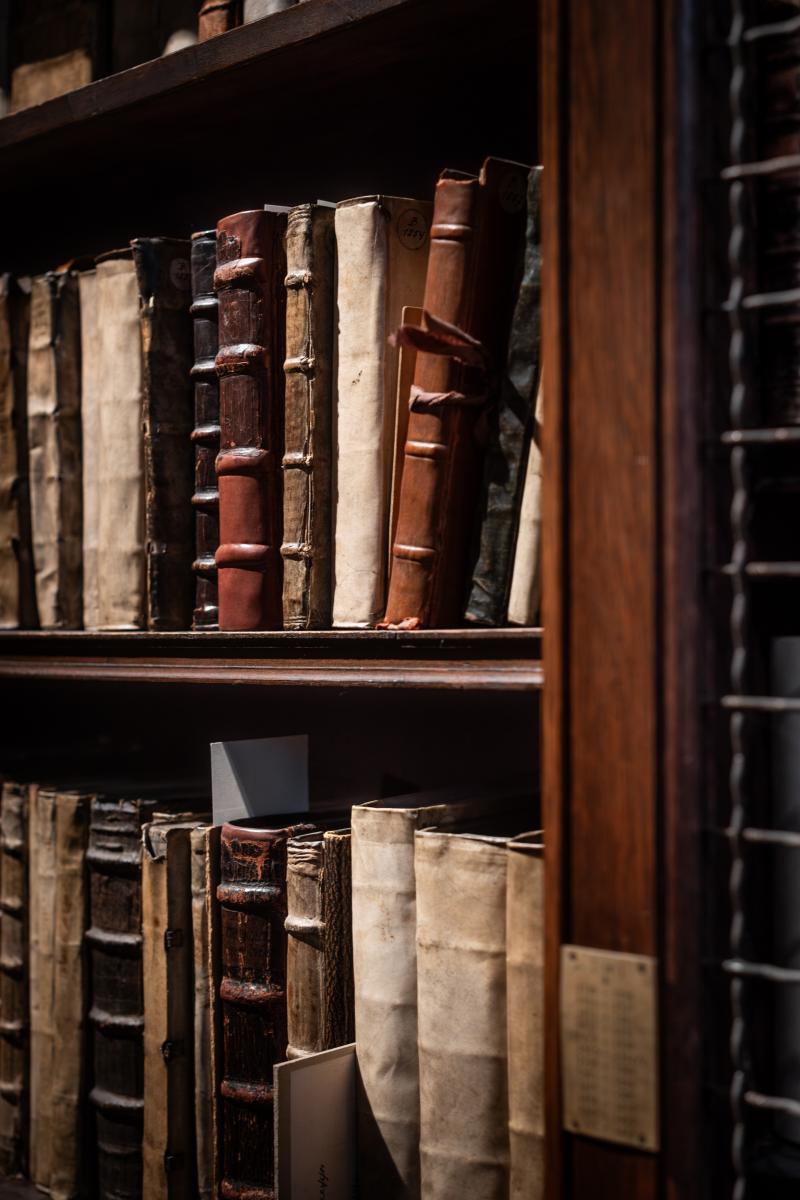
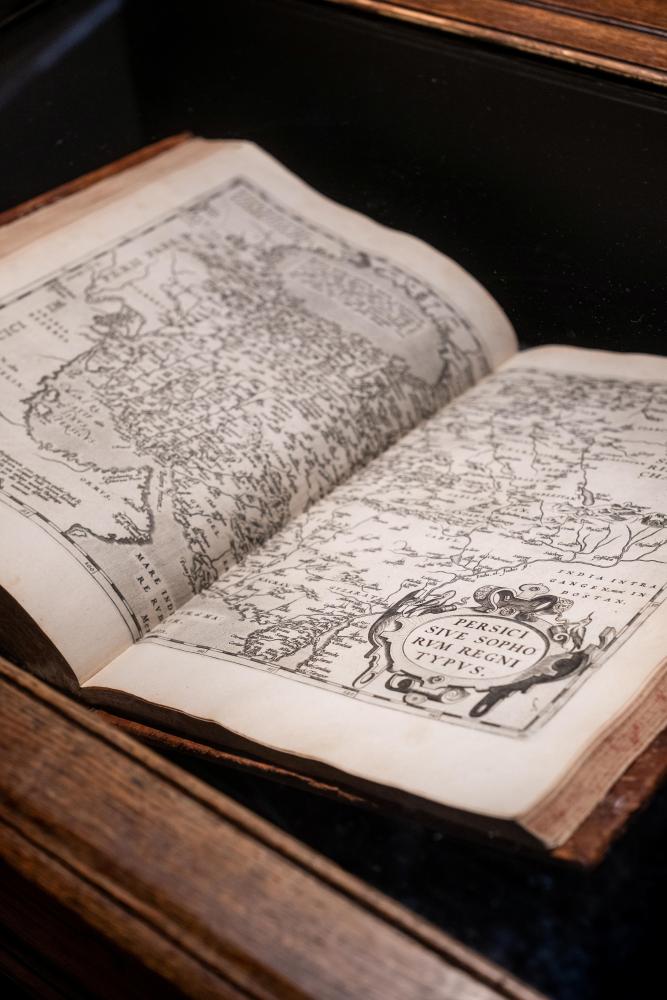
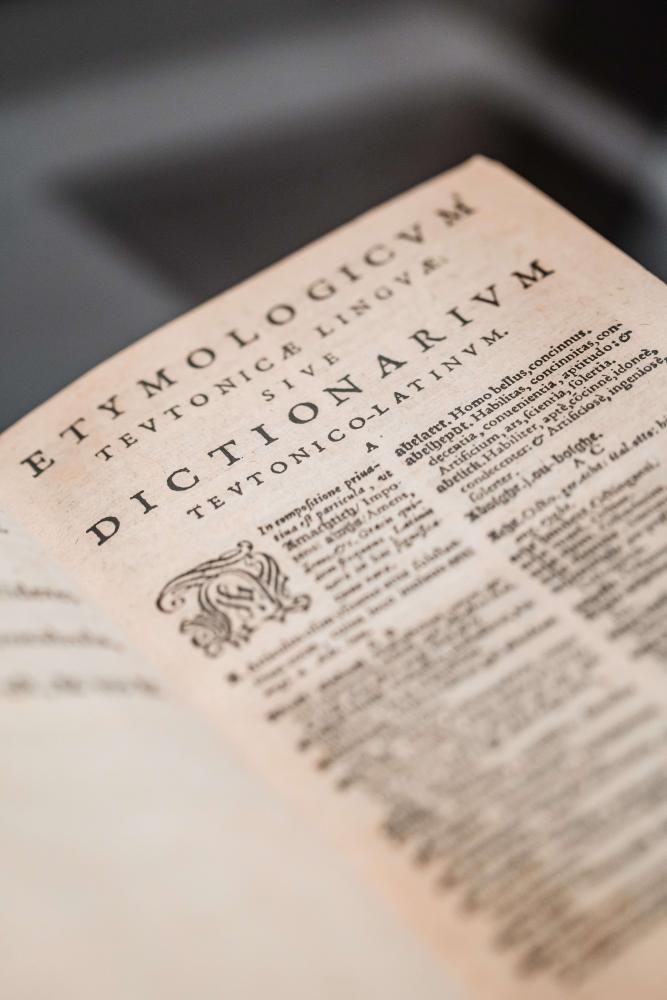
From textbooks to historical classics, world maps, and Bibles: throughout the centuries, we have several contributors to thank for such a diverse library, all motivated by their own purposes. Christophe Plantin initially purchased books to support his proofreaders and to use the texts in printed editions. His grandson, Balthasar I Moretus, was fond of classical authors and works on antiquity. Subsequent owners of the printing house further developed the library as a centre of knowledge for scholars such as Nicolas Heinsius and Franciscus Junius.
Once the museum was established, the library continued to expand. The original curator, Max Rooses, filled out the Plantin and Moretus works with missing editions and 16th-century material from other Antwerp printers and publishing houses. Through a careful acquisition policy, the library now holds the most complete collection of prints coming off the presses at the Officina Plantiniana.
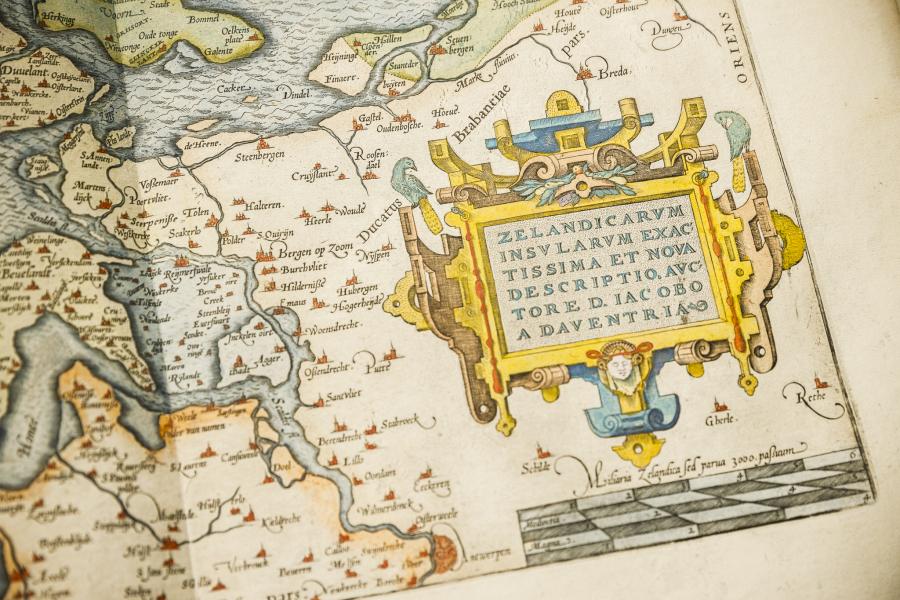
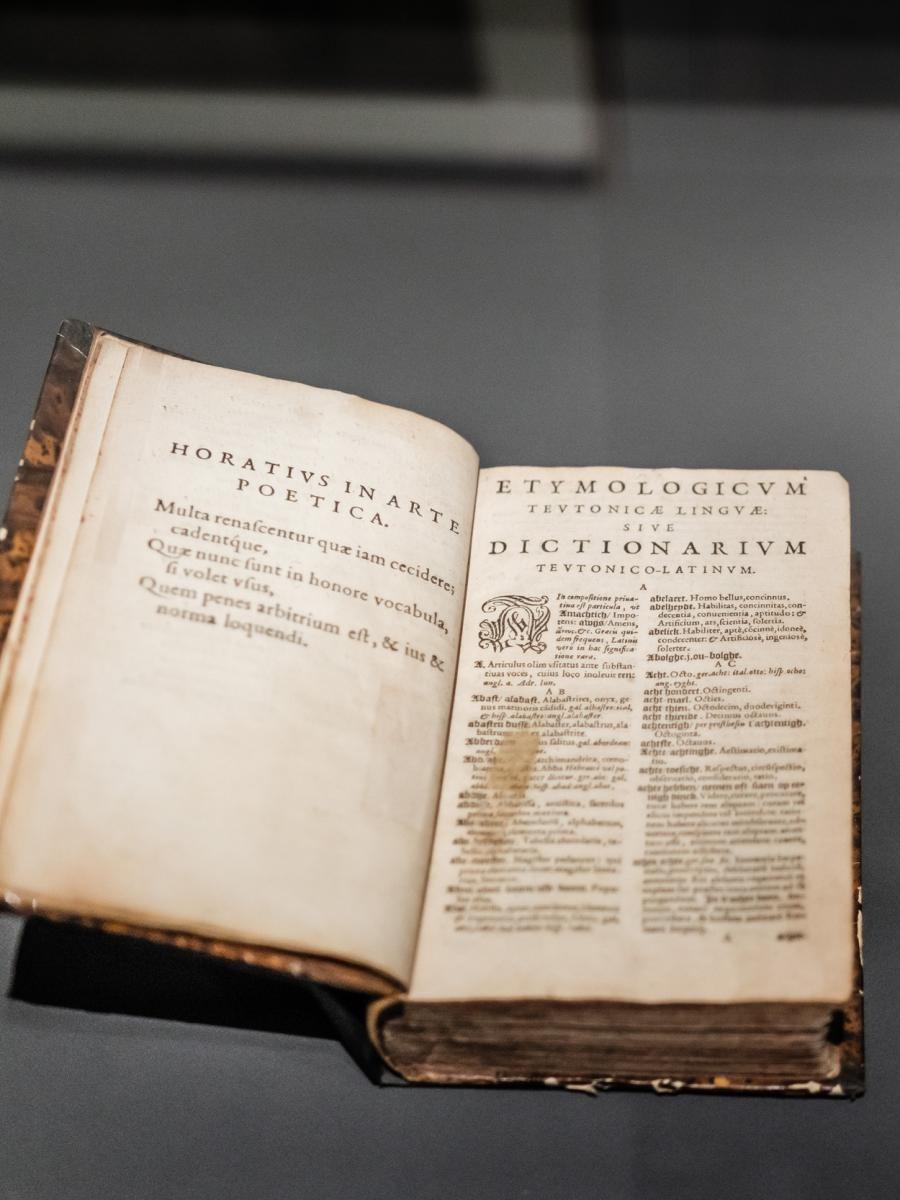
1460 to 1801 represent four centuries of book printing in the shape of 28,000 bound early modern works. These include rare incunabula, editions from the Officina Plantiniana, and prints from foreign and local printing houses. Together, they offer a comprehensive understanding of early modern book production in a range of genres and subjects.
In 1994, an unexpected treasure came to light: in the attic, employees found a huge stash of more than 68,000 single-sheet prints and almost 12,000 unbound works spanning from the 16th to the 18th century. What used to be work and stock material has now been repurposed into a valuable source of information about the workings of the Plantin printing house.
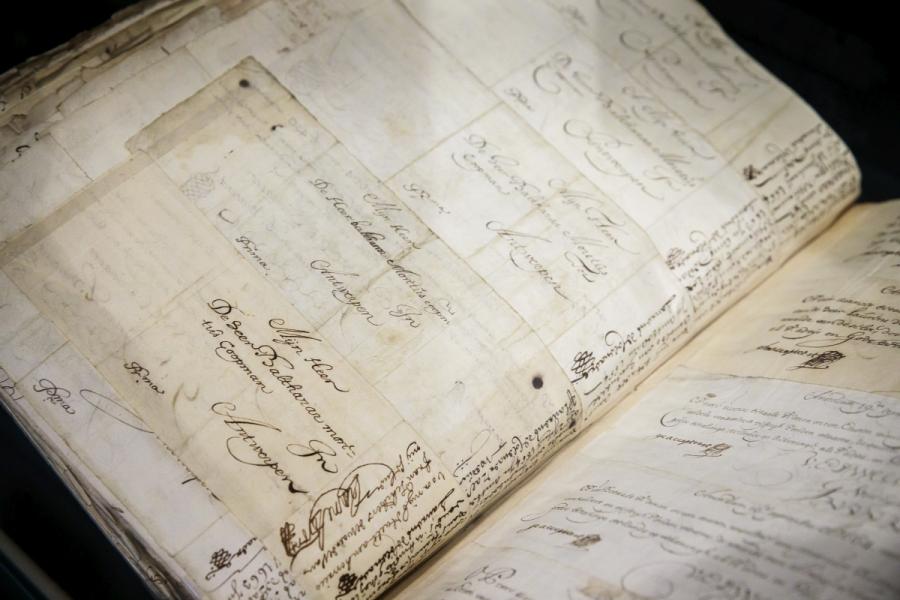
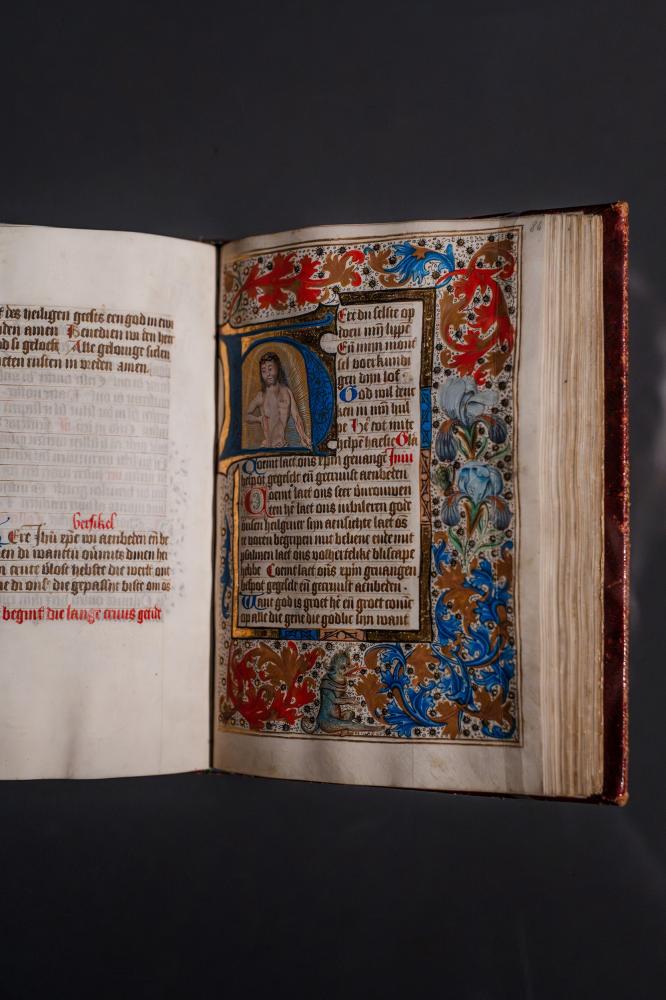
These manuscripts, more than 650 in total, have been traced back to Christophe Plantin himself. From 1563 onwards, he collected manuscripts for potential publications and as reference material for his proofreaders. One of them was Theodoor Poelman, who diligently built up his own library collection. After his death, it came into Plantin’s possession. From the 17th century onwards, his successors continued to build the collection.
The result? A collection that not only does justice to the history of the book but also outlines the relationship between printed works and manuscripts. Authors and scribes delivered their written texts to the printing house. Some went on to be published, others remained unused. In addition to the works of classical or early Christian authors, there are several original manuscripts of prominent humanists such as Justus Lipsius. These remain crucial for research up until today.
In addition to its main collection, the Plantin-Moretus Museum owns eight additional collections that have become a part of our heritage library through donations, purchases, or transfers.
An avid enthusiast, René Vandevoir collected the works of the French poet Emile Verhaeren and donated his extensive collection to the museum in 1965. He had the books bound by French craftsmen beforehand, which provided an excellent insight into the level of their craftsmanship in the 20th century.
Horn collected French literature from the 16th to the 18th century, on poetry, prose, theatre, and linguistics. He deliberately sought out first editions and unique copies, often luxuriously bound and in excellent condition. Previous owners, such as architect Viollet-le-Duc, left their mark, which adds an extra touch of character.
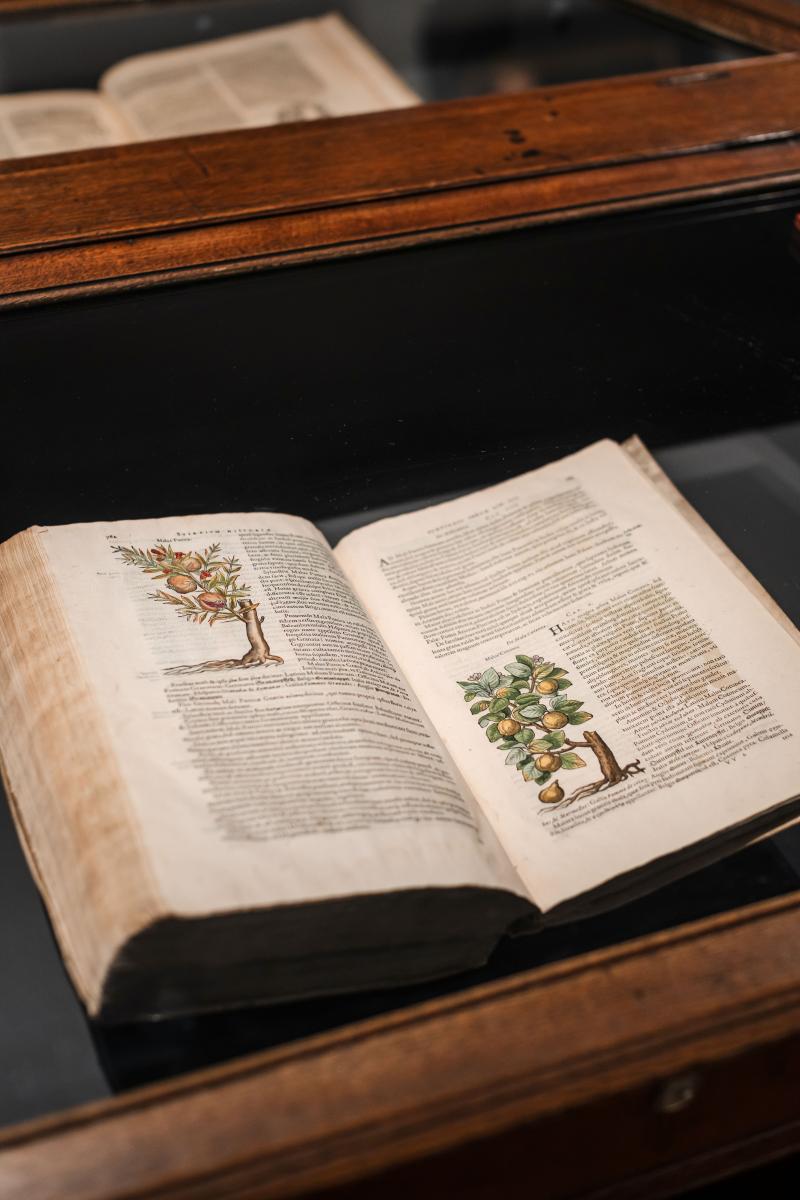
Following the closure of the Antwerp Natural Science Museum in 1950, several old prints on botany, zoology, physics, and chemistry came into the possession of the Plantin-Moretus Museum. The collection includes masterpieces by Rembert Dodoens and Antoni Van Leeuwenhoek, among others, and documents the scientific developments of the 16th to the 18th century.
Bibliophile, senator, and mayor of Wijnegem, Gustave van Havre was a passionate collector of rare Antwerp prints. He acquired works from the library of city archivist Frederik Verachter, who sold his books due to a lack of funds. The absolute highlight of the collection is the study on Antwerp printing brands.
The manuscripts and printed works collected by Ernest Persoons illustrate the diversity in monastic clothing in Europe from the 16th to the 19th century – an important contribution to European history, considering the influential impact of the Church on previous societies. The museum chose to purchase the full works for that reason in 2022.
Jan Baptist Vervliet wrote in detail about the Antwerp dialect and typical popular culture, collecting prints, drawings, and coins along the way. In 1925, the banker donated a series of rare and often smaller prints of folkloric value to the Plantin-Moretus Museum. His love for languages and traditions lives on in this section.
Old and modern typography, library science, art, and literature are the main topics of the book collection bequeathed to the museum by Hendrik Vervliet in 2020, along with his research archive. Remarkably, some volumes include his own contributions by means of several annotations or loose notes. Part of his collection was passed on to the Plantin Institute for Typography.
Since its opening in 1877, the museum has been collecting specialist literature on printing and bookbinding. This collection supports research into editions printed and/or published by the Plantin printing house, as well as the history of the book trade. As of today, it includes more than 15,000 titles, 17 series, and 76 current periodicals, making it a reliable resource for global and local researchers, students, and professionals.
Each one of these works tells a unique story, leading to new insights. If you’re looking for something in particular, we’ve listed a selection of our most remarkable collected works:
Who takes care of this remarkable book collection?