The collections
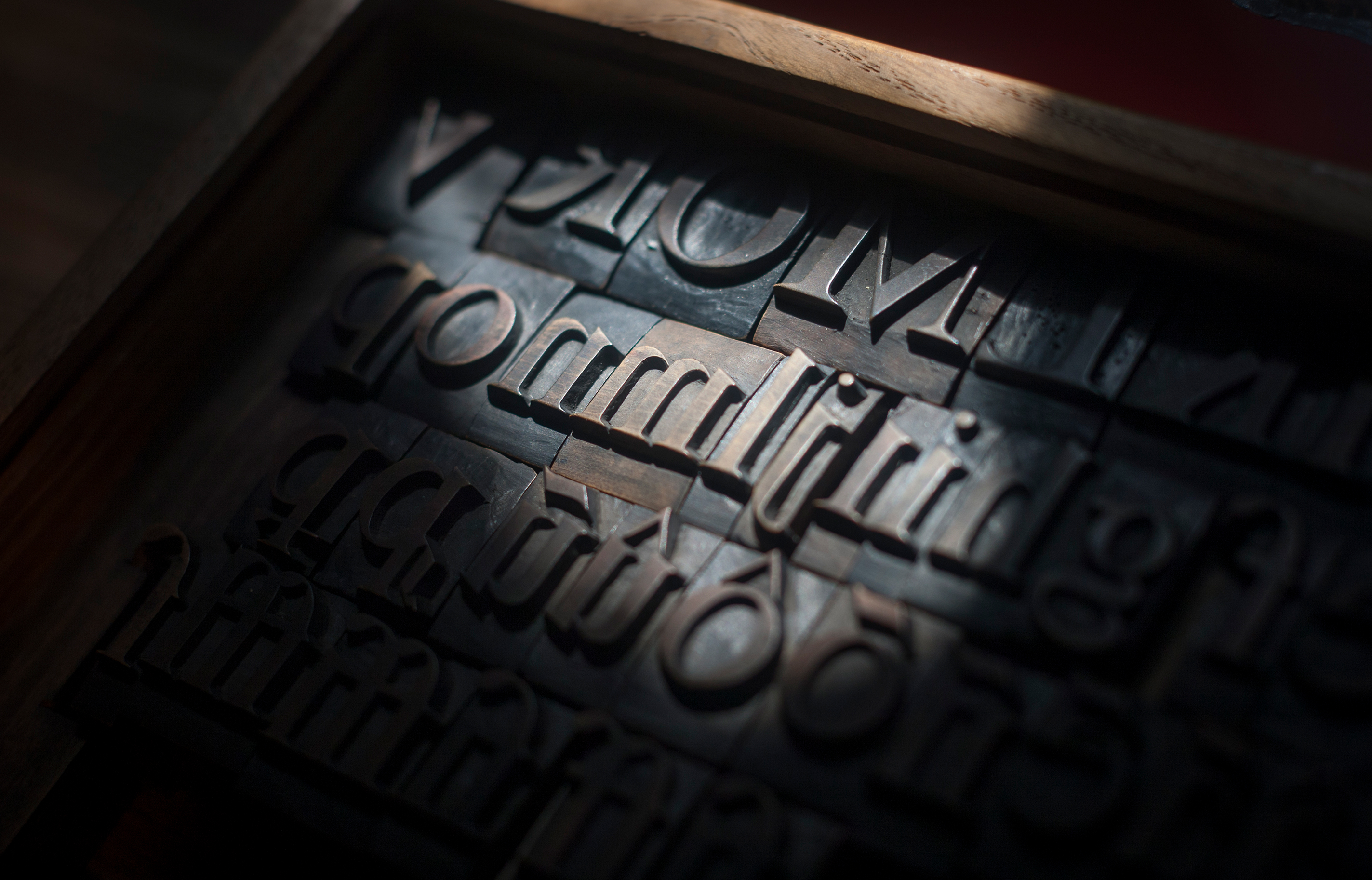
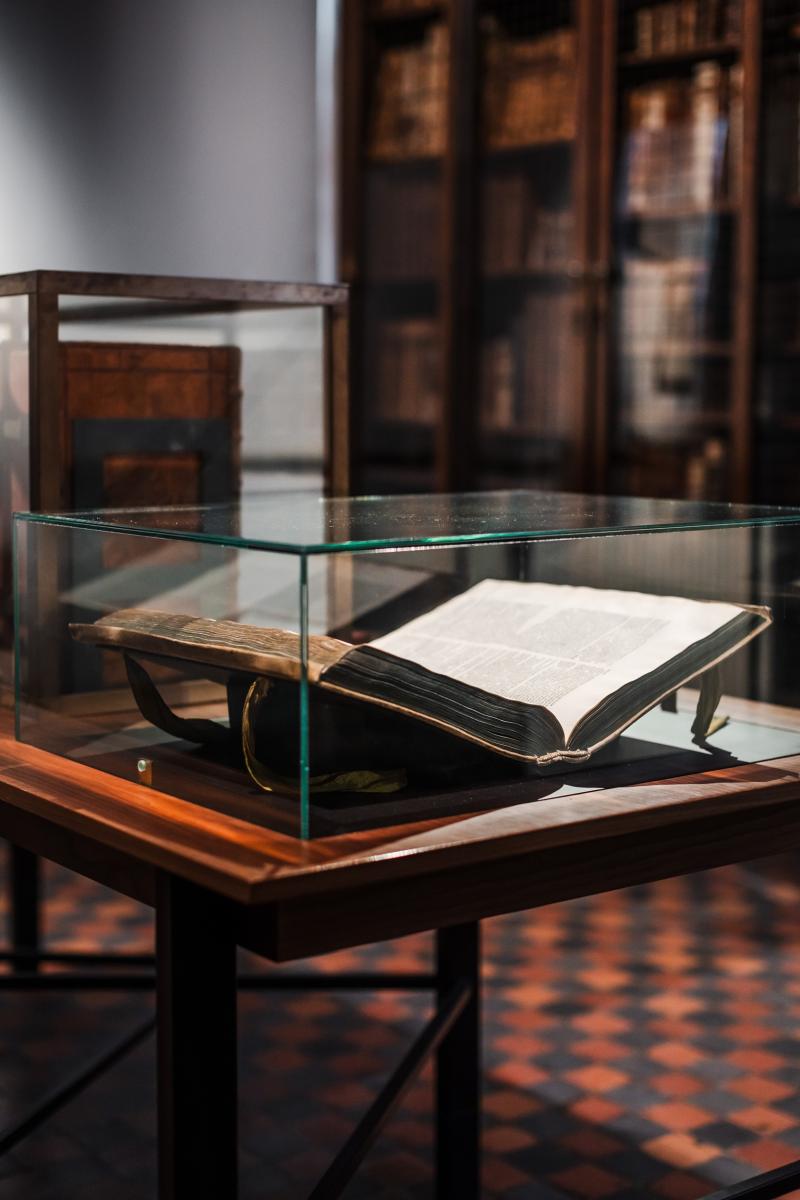
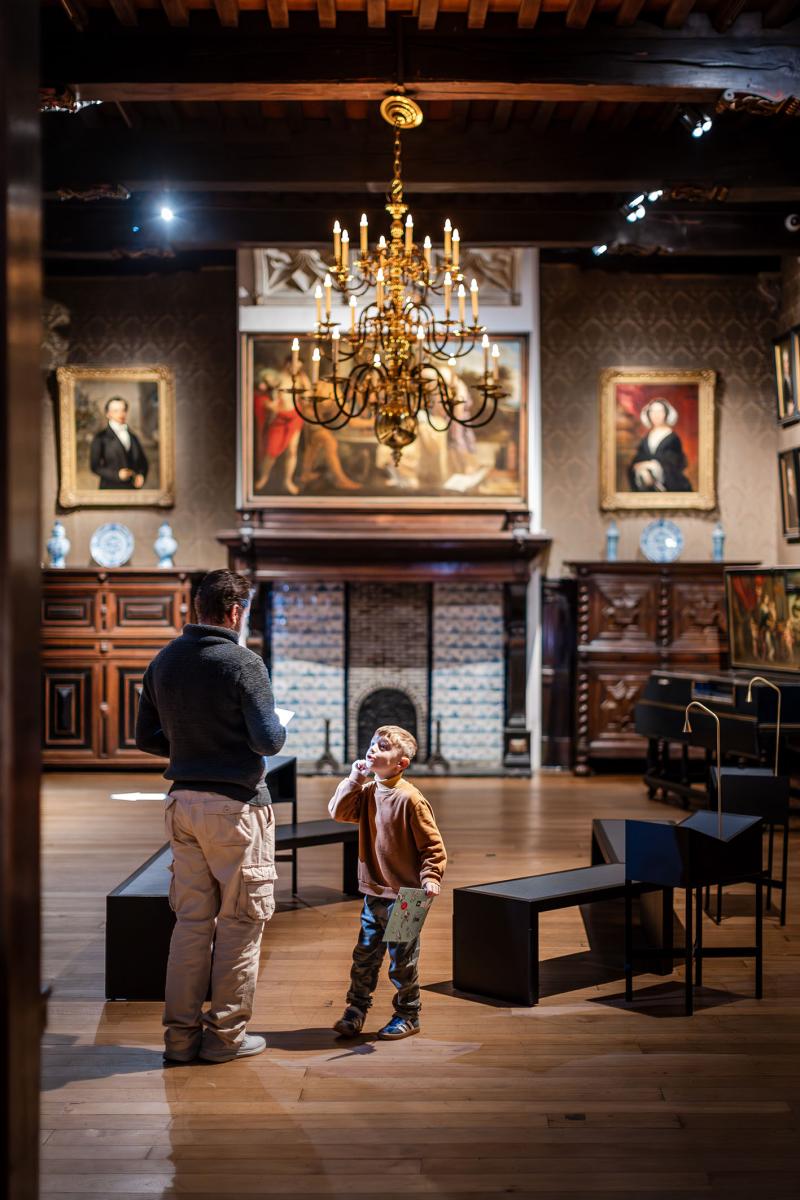
The Museum Plantin-Moretus conserves a multiple collections. Old printed books and manuscripts, printing presses and tools, paintings, prints and drawings, furniture and paintings and several archives.
This drawing by Peter Paul Rubens depicts the Gemma Tiberiana, the largest cameo - a relief-carved stone - preserved from Antiquity. The drawing is recognized as a Flemish Top Masterpiece.
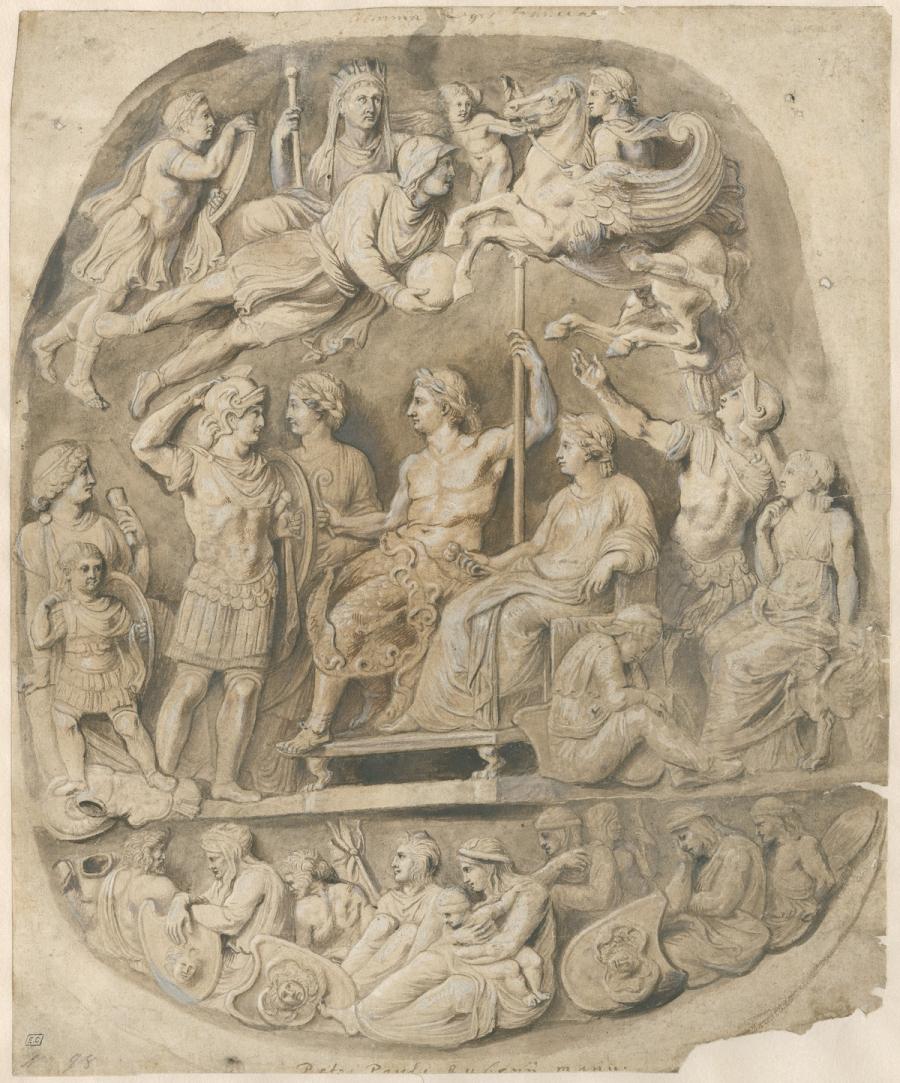
The stone was discovered in Rubens’ time in the Sainte-Chapelle in Paris and identified by Claude-Nicolas Fabri de Peiresc. It was Peiresc who, around 1622, commissioned Rubens to draw the Gemma Tiberiana for a publication he was preparing on ancient cameos.
In 1623, the drawing was translated into a print, but the planned publication never saw the light of day. Ultimately, the print was first used only in 1665, as an illustration in De Re Vestiaria Veterum, a publication by Rubens’ son Albert, issued by Balthasar Moretus.
The drawing is a relatively faithful representation of the cameo at true scale. The exact subject of the cameo remains a matter of debate. According to Peiresc, the upper scene depicts the apotheosis of the Roman emperor Augustus, the central register shows Germanicus before Tiberius and Livia, and the lower register represents the conquered peoples.
Recent research has questioned whether the drawing is entirely in Rubens’ own hand, suggesting instead that it may have been executed by a workshop assistant and only retouched by Rubens in brown ink and white bodycolour.
Today, the stone is preserved in the French Bibliothèque nationale.